decorative contact lenses

Decorative Contact Lenses Are Truly Scary!

Did you know that the FDA considers all contact lenses medical devices and a prescription is required for the sale of all contacts? All contact lenses require a valid prescription. This is whether they are for correcting your vision or for decorative purposes like changing your eye color. There is no such thing as “over-the-counter” contact lens, or at least not legally.

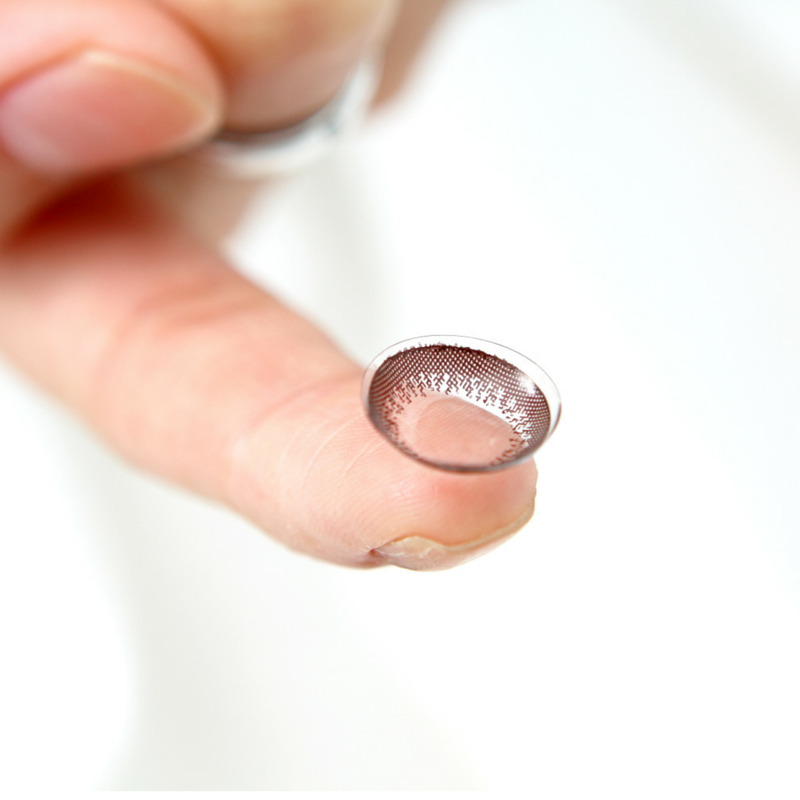
These decorative Halloween lenses are truly scary! Be wary of non-prescription decorative contact lenses as part of your Halloween costume. Not only are these illegal, they can be incredibly damaging to your eyes. They can cause serious health issues such as infection, and are harmful to your vision. These contacts aren’t guaranteed to meet U.S. standards for toxicity, oxygen or water transmission requirements. They’re also not fitted to you as prescription contacts would be by your eye care professional. Dr. Jeffrey Walline, O. D. Ph. D., and Chair of the AOA’s Contact Lens & Cornea Section says, “This makes these lenses extremely dangerous to even try for a short period of time, including, for example, a Halloween party.”

A study published in the September 2015 issue of Eye & Contact Lens: Science & Clinical Practice, detected unsafe and unregulated chemicals in these non-corrective colored lenses. “When purchased over-the-counter, decorative contact lenses can put people at risk for bacterial infections, allergic reactions, or even significant damage to the eye’s ability to function, with the potential for irreversible sight loss. Sadly, numerous cases of serious harm have been documented,” adds Dr. Glenda Secor, O.D., past chair of the AOA’s CLCS.

It’s not worth your vision to have cat or zombie eyes for one night! Don’t let your friends wear these scary non-prescription lenses either. Help us spread the word!

Visit www.contactlenssafety.org or www.aoa.org for more information.
How Do I Know if My Child is Ready to Wear Contact Lenses?…

Have you ever wondered about fitting your child in contact lenses, but are unsure if he or she  is ready, or if it is safe?  The answer might surprise you!

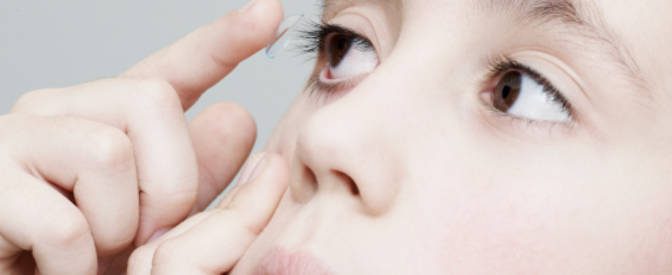
According to a recent study, children 8-11 years old typically have no trouble handling, inserting and removing daily disposable contact lenses, even without the help of their parents.  Learning to insert and remove the lenses may take some time and dedication from both you and your child’s eye care professional s, but with patience and good instruction this process can be faster and easier than expected!

One of the most important considerations for deciding if your child is ready to wear contacts is their overall personal hygiene and dedication to their responsibilities.  Maintaining overall eye health with contact lens use depends on regular, thorough cleaning of the lens, and proper storage and handling techniques. Responsible children with good hygiene habits tend to have little issue with this element of contact lens wear, and would be great candidates to try contacts!  If your child still struggles with these areas, waiting awhile to fit him or her with contacts may make the process easier for you and your child.

In fact, children can be great candidates for contact lens wear! Most children are more compliant than teenage or adult wearers, because that have not yet formed bad handling and wearing habits, such as over-wearing their contact lenses or using the incorrect solution. Also, children tend to suffer from dry eye syndrome less frequently than adults, so comfort is less of a problem for them.

Contact lenses can also help your child build their confidence, and can even improve their performance in physical activities. Children who are tired of wearing glasses, or have a high prescription, may feel more confident at school and while socializing with contact lens use. Also, contact lenses remain stable on a child’s eye while he or she is running or being active, which can help improve his or her sports performance. And if you are the parent who is constantly replacing your child’s glasses due to damage or loss, you can rest easy knowing contact lenses are another option for your child!

The best way to determine your child’s readiness to wear contacts is considering these facts, and weighing the pros and cons of your particular situation. Your eye care professional would be happy to discuss fitting your child in contact lenses further, and help you decide what the best choice for you and your child may be!

Your Yearly Responsibility…

Your Yearly Responsibility as a Contact Lens Wearer

by Jessica Thompson


If you wear contacts nearly every day, then you probably already know that every year you must make a trip to the eye doctor to get your prescription renewed. What many of our patients don’t realize that it’s not just your eye doctor, but also the FDA that requires this.  Many of our patients have been wearing contacts for decades, and some of them have rarely experienced complications with their contact lens use. These patients are quite fortunate and are most likely wearing their contacts responsibly. But why, if you live symptom free, should you come in every single year for an eye health and contact lens evaluation? Why can’t you just re-order your prescription if you don’t think your vision has changed?

Your eye doctor can uncover countless conditions, with your eyes and systemically, for which you may have no symptoms. Contact lenses can actually act as a bandage on the eye, masking symptoms. Some contact users will even develop a lack of sensitivity of the cornea. This lack of sensitivity may prevent you from realizing that your corneas are suffering from an infection.

Your cornea is an amazing transparent tissue structure, devoid of blood vessels and not to be taken for granted. The cornea maintains a perfect equilibrium of water, oxygen and nutrients. This amazing structure is where your contact lenses rest every day. When you wear your contacts, according to your doctor’s advice, you can expect to maintain a “clear” cornea. When the cornea is in danger, your immune system will try to protect it and may cause corneal “clouding” in an effort to “pump” the cornea back to natural equilibrium. You are born with a specific number of NON-REGENERATIVE corneal endothelial cells. If they are damaged, they will not regenerate and you may not wear contact lenses again. And if you LOVE your contacts, this could be a very sad fate!

If you aren’t seeing your eye doctor every year to renew your contact lens prescription, chances are that you are over wearing your contacts. Over-wear of lenses, improper cleaning of lenses, extended-wear use of lenses, and overly tight lenses may increase the risk of painful and vision threatening conditions like Corneal Ulcers, Keratitis, Corneal Swelling and Giant Papillary Conjunctivitis. A corneal ulcer starts when bacteria (or rarely a fungus or parasite) infects an area of the corneal surface. The surface may break down, forming a small corneal abrasion, due to routine lens use. Even a successfully treated corneal ulcer may still leave a scar which could affect the vision permanently.

It is our goal as your eye care professionals to protect your most precious sense of sight, for your lifetime. As a contact lens wearer, it is certainly in your best interest to be seen every year to allow your eye doctor to ensure that you are wearing your contact lenses healthily and responsibly, while maintaining your very best sight!