When Do I Need a Prescription?

If you’re squinting at your screen or wondering whether those drugstore readers are still cutting it… this post is for you.

We hear this question often:
“When do I actually need a prescription?”
Whether it’s for glasses or contact lenses, understanding when it’s time to get one can make a big difference in your comfort, safety, and long-term eye health.

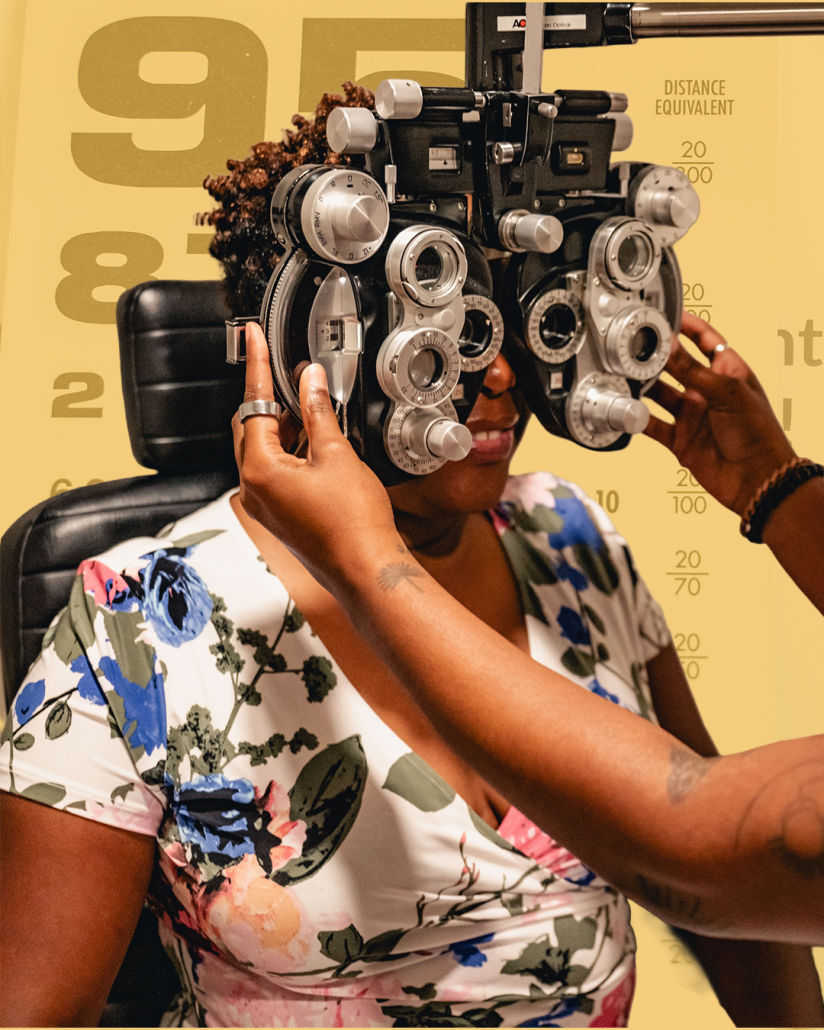
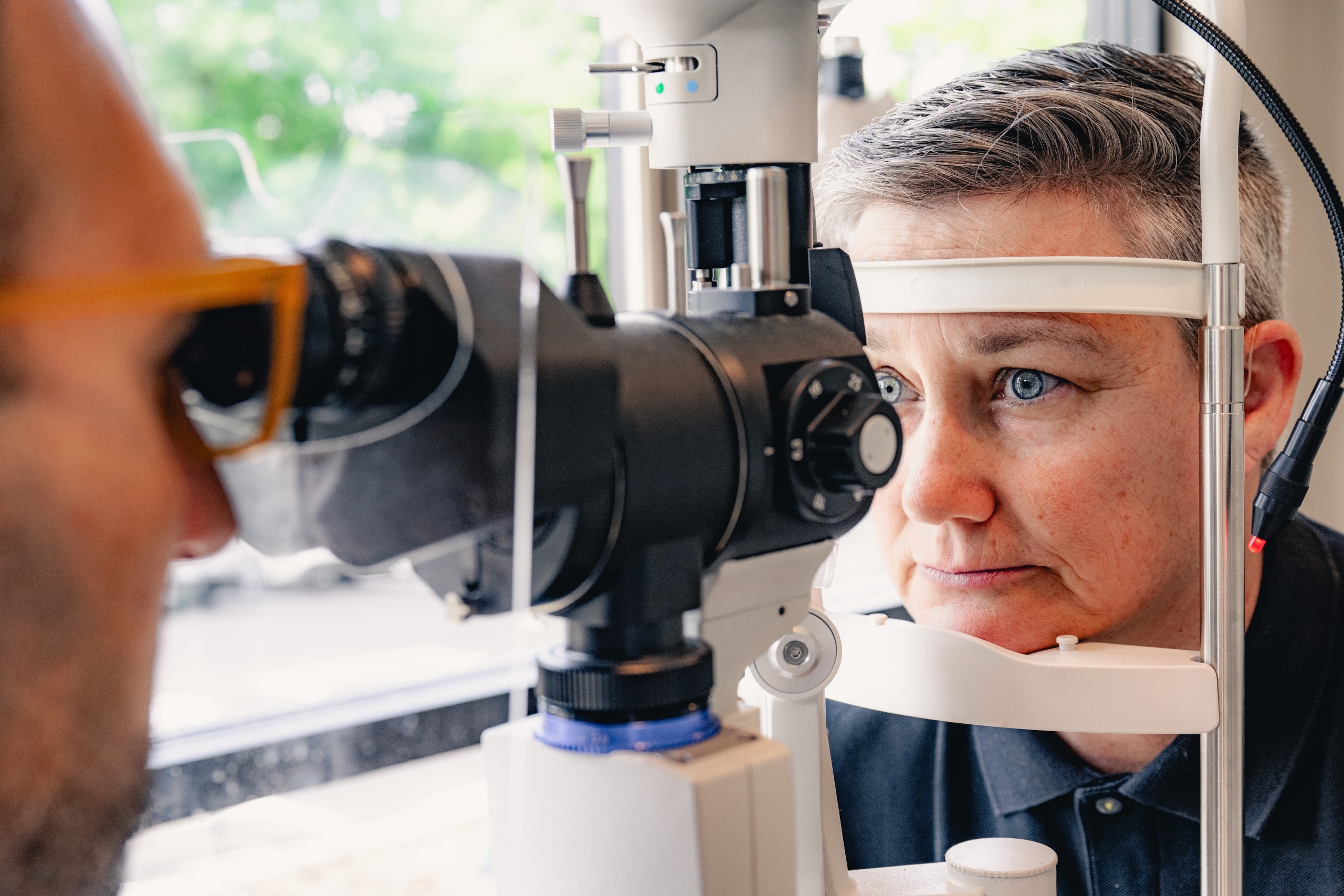
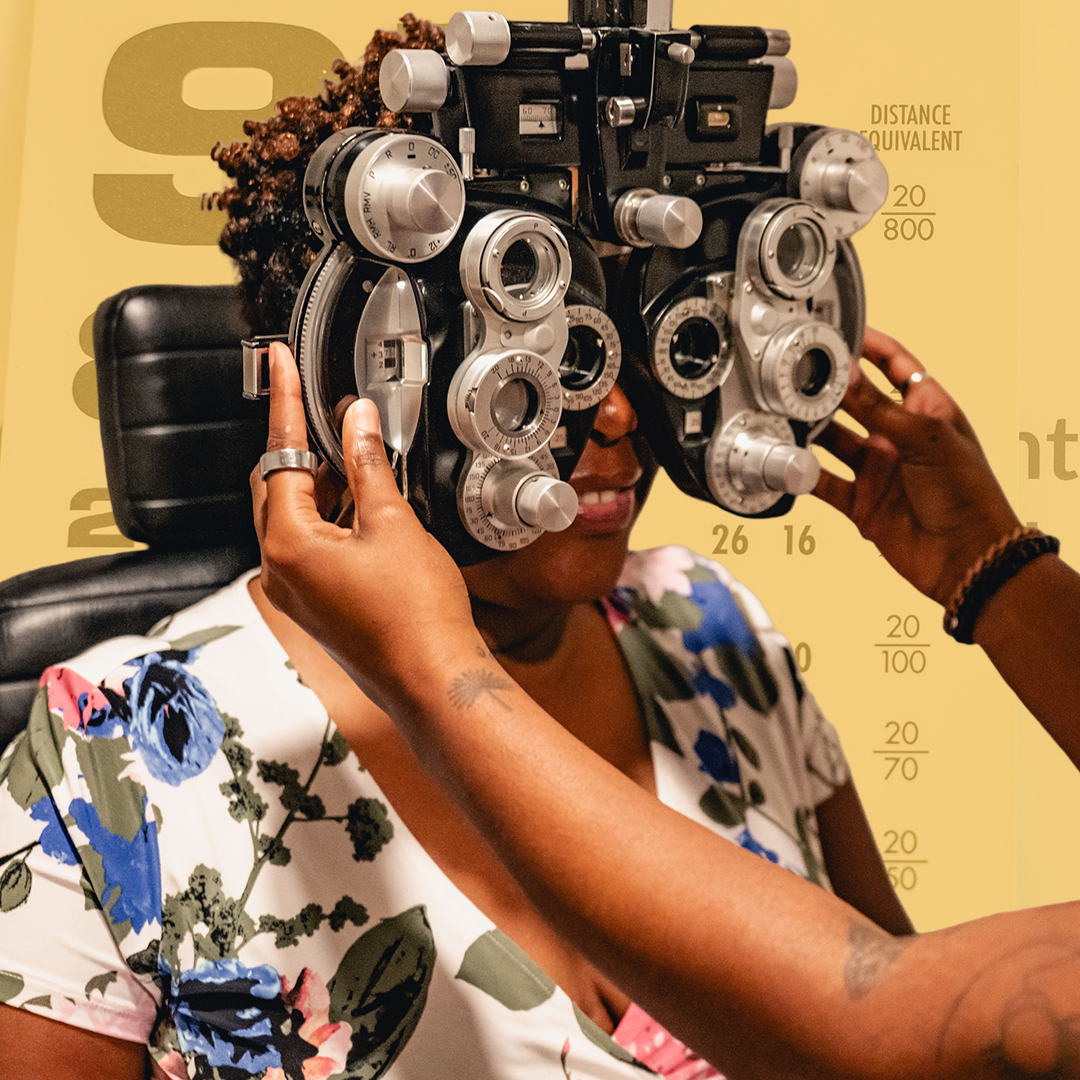
If you’re unsure whether you need a prescription, it’s probably time to check in with your eye doctor. We recommend a comprehensive eye exam every year even if your vision seems fine. Eyes can change gradually, and you may not notice until discomfort creeps in.

️ You might need a prescription if:

  • You’re noticing blurred vision (near or far)

  • You’re getting frequent headaches or eye strain (especially after screen time)

  • You find yourself squinting more than usual

  • Night driving has become more difficult due to glare or halos

  • You’re using readers but still struggling to see clearly

  • Your contacts or glasses are over a year old

  • You simply haven’t had an exam in over a year (yes, really!)

What’s in a prescription, anyway?

A prescription for glasses or contacts isn’t one-size-fits-all. It includes detailed measurements tailored to your eyes like:

  • Sphere (how strong your lenses need to be, for near or far correction)

  • Astigmatism correction- if needed (a common eye condition that exists when the surface of the cornea or crystalline lens is irregularly shaped)

  • Pupillary distance

  • And more, depending on your vision needs (prism, add power, etc.)

Why it matters

Wearing the wrong strength (even if it’s “close enough”) can lead to:

  • Eye fatigue

  • Headaches

  • Dizziness

  • And in some cases, worsening of symptoms

For contact lenses, as another medical device, it is required to have a valid, up-to-date prescription. The fit, material, and shape need to be spot-on to keep your eyes healthy and prevent issues like irritation or infection.

Ready to see clearly again?

Schedule your eye exam today and let us help you find your perfect prescription and your perfect pair of frames.

Book an Appointment Now or call us at 828.254.6757

Tired of Dry, Itchy, Irritated Eyes? You’re Not Alone.

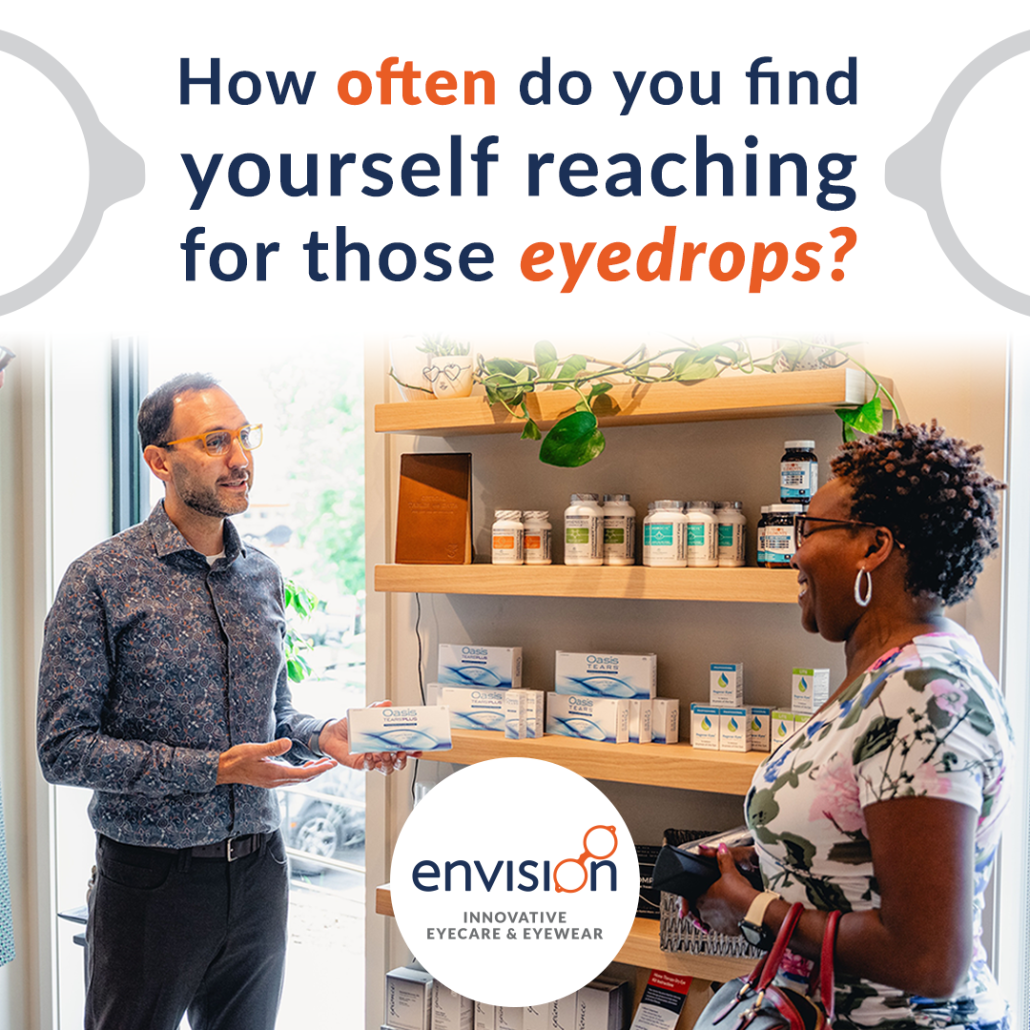
How often are you reaching for eyedrops to soothe that gritty, burning feeling? What time of day do your eyes begin to feel tired after hours on a screen? Are they itchy, red, or watery with seasonal changes?

You might be one of the 16 million Americans suffering from dry eye symptoms!

Dry eye disease, Meibomian Gland Dysfunction (MGD), and eye allergies are some of the most common eye conditions today and they’re on the rise. Contributing factors include increased screen time, pollution, medication side effects, and hormonal changes.

If left untreated, dry eye can lead to recurring infections, blurry vision, and in severe cases, even vision loss.

We offer personalized treatments to provide relief for our patients including:
• At-home therapeutic options
•️ LipiScan, Thermal 1-Touch, and more
• NEW! OptiLIGHT & OptiPLUS (the only FDA-approved IPL devices for treating dry eye due to MGD, is available in our clinic.)

Our certified clinicians ensure your treatment is safe, comfortable, and effective.

Common symptoms of dry eye include:
• Burning, stinging, or scratchy eyes
• Light sensitivity
• Eye redness
• A gritty or foreign body sensation
• Excessive tearing
• Trouble wearing contacts
• Blurry or fluctuating vision

Relief is possible. You don’t have to live with discomfort.
Call us at 828.254.6757 or schedule your exam online today!

MiSight® to Correct and Protect Your Child’s Vision


Commonly Asked Questions About MiSight 1® day

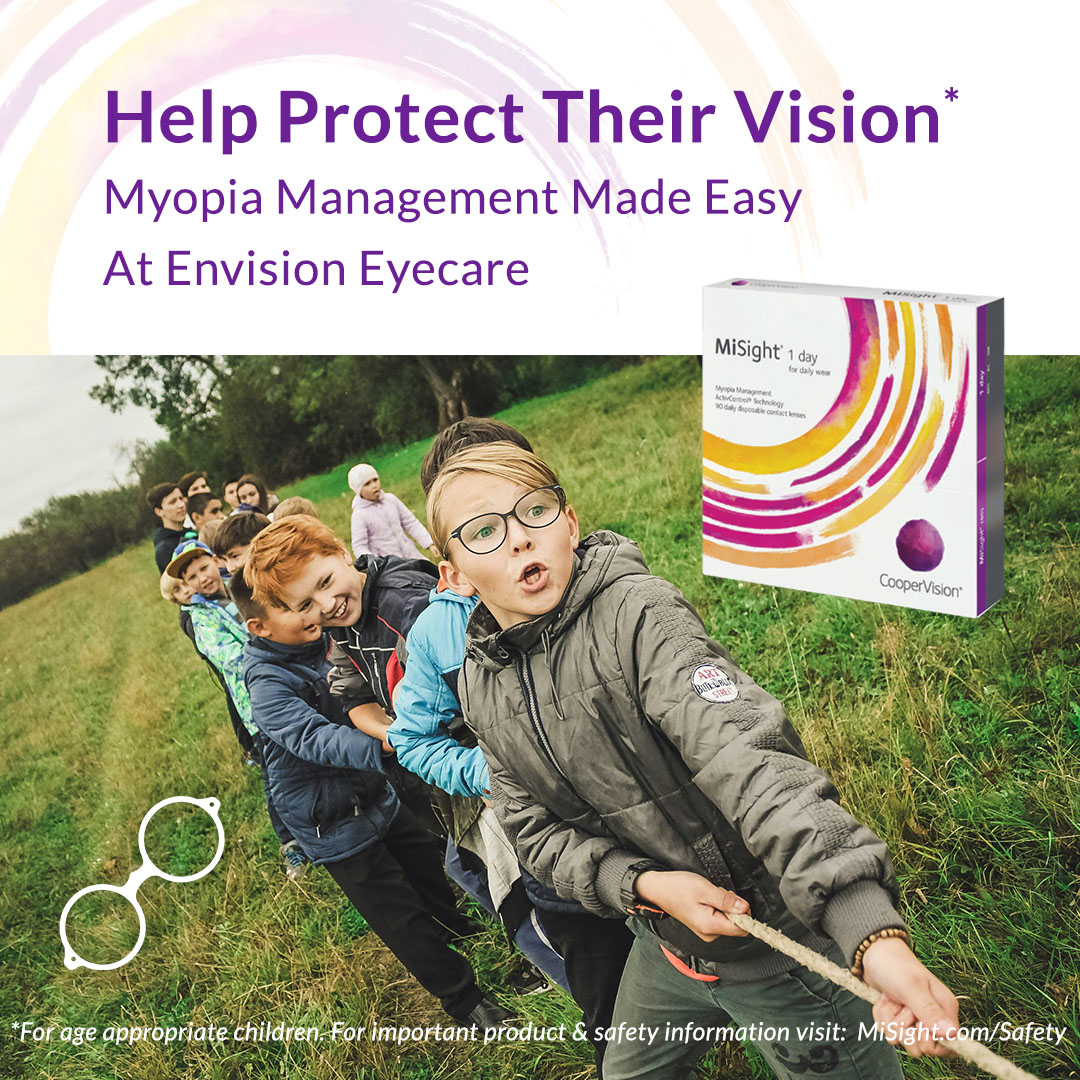
Have you noticed your child’s nearsightedness getting worse, especially with increased screen time and indoor lifestyle? For age-appropriate* children, MiSight® 1 day can help. It’s the first and only†  FDA-approved soft contact lens to slow myopia progression in children aged 8-12 at the initiation of treatment.

Getting started with MiSight® 1 day has never been easier. Schedule an exam for your child today and be sure to ask about this incredible, life-changing program!

1. What is myopia (nearsightedness)?

  • The eyes of a child with nearsightedness grow faster and longer than they should, causing far away objects to appear blurry. If untreated, the eye becomes weaker and vision often gets worse as the child grows older.
  • When parents have myopia, their genetic risk may be passed along to their children.
  • Modern lifestyle may also influence the development of myopia.

2. Why haven’t I heard about myopia management before?

  • In April 2021, the World Council of Optometry passed a resolution that declares support for myopia management as the standard of care.1
  • MiSight® 1 day launched in the United States within the past 5 years, and we are now a certified MiSight® Practice.
  • We are excited to finally have a treatment in our practice proven to slow the progression of myopia in age-appropriate children with MiSight® 1 day!†2

3. Why does MiSight® 1 day cost more than other contact lenses?

  • MiSight® 1 day contact lenses with ActivControl® Technology are dual-purpose: they help your child see clearly and help to control the progression of myopia in age-appropriate children.†2

4. How long will my child have to wear MiSight® 1 day?

  • Myopia often gets worse in growing children and is irreversible, so the sooner we start age-appropriate kids in myopia control, the better the long-term eye health outcomes.‡3-8 Kids grow at different rates and stabilize at different ages.

5. Is it still necessary for my child to wear glasses?

  • MiSight® 1 day should be worn at least 10 hours per day, 6 days per week to give your child the best chance at getting a favorable outcome when considering the 6-year study results.*§|9,10
  • All contact lens wearers should have a pair of glasses to wear when they’re not wearing contact lenses.

6. Are you able to bill my insurance for MiSight® 1 day?

  • Insurance contributions are plan dependent, but you have access to the contact lens allowance for your MiSight® 1 day supply.
  • CooperVision (the company that manufactures MiSight® 1 day) offers a $200 national rebate on an annual supply of MiSight® 1 day with purchase.

7. What happens if the MiSight® 1 day contact lenses tear or rip?

  • MiSight® 1 day are single use daily disposable contact lenses. If a lens rips, please throw the lens away and start with a new lens for your child.
  • If this is a consistent issue, please let us know – we can schedule additional lens handling training for your child.
  • We can provide additional trial lenses if needed.

8. If we run out of MiSight® 1 day contact lenses, how can we order more?

  • Please notify our practice to order more.
  • It is important that we see your child every 6 months to assess response to treatment, meaning any potential prescription changes. If necessary, we can provide additional trial lenses if you run out before your next visit.

9. What if my child’s prescription changes prior to the completion of my purchased supply?

  • CooperVision, the manufacturer of MiSight® 1 day soft contact lenses, will accept the return and refund the unopened boxes through their Simply Satisfied guarantee.

10. How often does my child need follow up appointments?

  • New patients will come back in 1 week to evaluate lens wearing experience, vision, comfort, fit, eye health, and compliance to treatment.
  • After the 1-week visit, the next appointment will be a myopia evaluation at 6 months.

11. Are MiSight® 1 day contact lenses safe for kids?

  • Across the 6-years of the MiSight® study, there were no serious adverse events related to contact lens wear.11,12
  • Results suggest that children this age can successfully wear daily-disposable hydrogel contact lenses with minimal impact on their eye health.¶**2,9,11-12

12. If my child can’t insert and remove their contact lenses by themself, can I do it for them?

  • Children as young as 8 can confidently insert and remove contact lenses on their own.††2
  • In the beginning, you can train with our team and your child to assist with insertion and removal, but we are happy to set up additional training to ensure they can do it on their own!

13. Instead of purchasing MiSight® 1 day today, can we wait and see how my child is doing at our next visit?

  • We can’t go back in time, and prior change doesn’t predict the future.
  • Myopia is progressive and irreversible3, but MiSight® 1 day contact lenses have been shown to reduce the rate of myopia progression by nearly 60% on average for children ages 8-12 at the initiation of treatment.†2
  • As myopia worsens, it also increases the risk for eye health complications down the road, so it’s important to start treatment as soon as possible.3,5-8
  • There’s no other eye or body disease that we would wait to get worse before treating, but if you prefer to wait and see let’s schedule your child for a follow-up in the next 1 to 6 months at the latest.

Don’t wait! Click here to schedule an exam today and see just how easy it is for you to positively impact your child’s sight.


 The above information was modified from MiSight® 1 day marketing materials provided by CooperVision.

©2024 CooperVision 16125 3/24

*Indications for use: MiSight® 1 day (omafilcon A) soft (hydrophilic) contact lenses for daily wear are indicated for the correction of myopic ametropia and for slowing the progression of myopia in children with non-diseased eyes, who at the initiation of treatment are 8-12 years of age and have a refraction of -0.75 to -4.00 diopters(spherical equivalent) with ≤ 0.75 diopters of astigmatism. The lens is to be discarded after each removal.

† Only FDA-approved soft contact lens designed for myopia control in the U.S.

  • Compared to a single-vision 1-day lens over a 3-year period.

‡ Children ages 8 to 15 when starting MiSight 1 day treatment experienced a slowing of myopia progression.

§ Using measured and modeled data, pooled across ages (8-17), MiSight® 1 day slowed myopia progression by an average of approximately 50%.

| Myopic children fit with MiSight® 1 day contact lenses ages 8-15 continued to experience slowed myopia progression as long as they remained wearing the lenses as prescribed.]

1. Resolution: The standard of care for Myopia Management by Optometrists. World Council of Optometry. (2021, May 17). https://worldcouncilofoptometry.info/resolution-the-standard-of-care-for-myopia-management-by-optometrists. 2. Chamberlain P, et al. A 3-year randomized clinical trial of MiSight® lenses for myopia control. Optom Vis Sci. 2019; 96(8):556-567. 3. K. Zadnik, G.L. Mitchell, L.A. Jones, D.O. Mutti; Factors Associated with Rapid Myopia Progression in School aged Children . Invest. Ophthalmol. Vis. Sci. 2004;45(13):2306. 4. Arumugam B, Bradley A, Hammond D, Chamberlain P. Modelling Age Effects of Myopia Progression for the MiSight 1 day Clinical Trial. Invest. Ophthalmol. Vis. Sci. 2021;62(8):2333. 5. Xu L, Wang Y, Wang S, Jonas JB. High myopia and glaucoma susceptibility, the Beijing Eye Study. Ophthalmology. 2007;114(2):216-20. 6. Flitcroft DI. The complex interactions of retinal, optical and environmental factors in myopia aetiology. Prog Retin Eye Res. 2013;31(6):622-60. 7. Younan C, et al. Myopia and incident cataract and cataract surgery: the blue mountains eye study. Invest Ophthalmol Vis Sci. 2002;43(12):3625-3632. 8. Chen SJ, et al. Prevalence and associated risk factors of myopic maculopathy in elderly Chinese: the Shihpai eye study. Invest Ophthalmol Vis Sci. 2012;53(8):4868-73. 9. Arumugam B, Bradley A, Hammond D, Chamberlain P. Modelling Age Effects of Myopia Progression for the MiSight 1 day Clinical Trial. Invest. Ophthalmol. Vis. Sci. 2021;62(8):2333. 10. Chamberlain P et al. Long-Term Effect of Dual-Focus Contact Lenses on Myopia Progression in Children: A 6-year Multicenter Clinical Trial. Optom Vis Sci 2022 In Press.

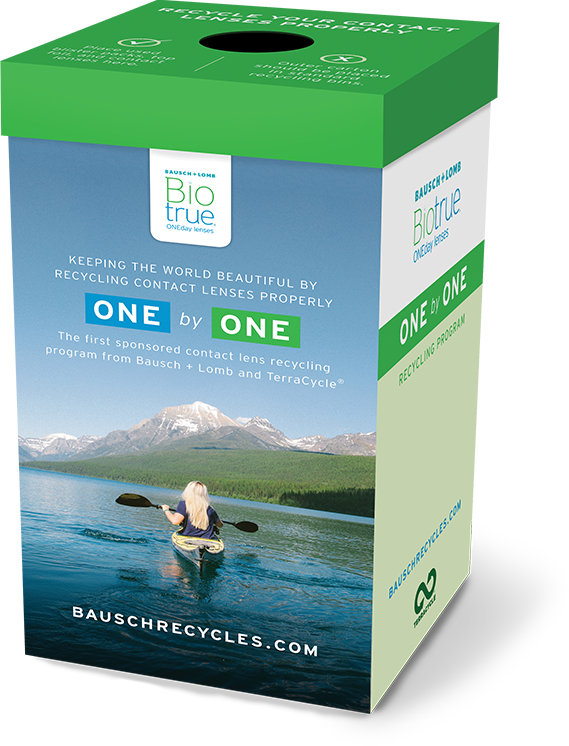
Make A Difference Daily; Recycle Your Contact Lenses!

Did you know your contact lenses are recyclable?

The majority of contact lens wearers are misinformed about recycling their contact lenses. Every year up to 3 billion contacts end up in wastewater treatment plants due to contact lens wearers tossing their contacts down the drain of their sink. 

Recycling something as small as a contact lens can make a huge impact. Contact lenses cannot be recycled through standard recycling practices due to their small size. They normally get filtered out and end up in landfills. Microplastics, like contact lenses, contribute to the 8 million metric tons of plastic in the ocean. 


Together, we can make a difference with recycling your contact lenses, One by One. 

How can you help?

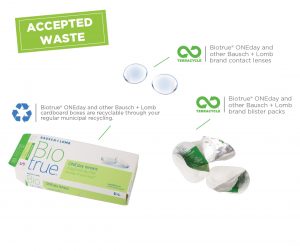
  1. Collect: Hold on to your used foil top, contact lenses, and the blister pack; it is all recyclable!
  2. Drop off your lenses at our office!
  3. Once our recycling container is full, we ship all of the material to TerraCycle. TerraCycle upcycles the material to become park benches, playgrounds, and other structures! 

Any type or brand of contact lenses can be recycled. This program has collected over 6 million items in over two years! This is a simple and easy way to be environmentally conscious, so help us save this beautiful place we call home!


Order Contacts Online With Us!

Supporting local businesses during this time of uncertainty is critical. Here at Envision Eyecare, we are adapting to our ever changing world. We now offer ordering your contact lenses through our website!

How to order your contact lenses online:

  1. Access https://www.myenvisioneyecare.com/ and scroll to the bottom of the page, and click the section labeled as “Order Contacts” 
  2. Create an account with an email, first & last name, DOB, an approved username & password.
  3. Once the order is placed, please be mindful that there is a 1-2 business days pending approval before the order can be processed, to ensure authorized and valid contact lens prescriptions.
  4. If there are any issues, you will be contacted by an Envision Eyecare team member.

Please allow 1 week after your order is placed to receive your contacts. If your contact lens prescription is expired, at this time we are allowing patients to order a 6 month supply through our office to hold over until we are open for normal care.

We appreciate your continued support! 

We Are Here For Your Eye Emergencies!

Did you know that our doctors can still perform emergency eye care visits and follow up appointments?


Envision Eyecare is excited to offer access for urgent eye care needs with Telehealth services and in office visits as needed.
Telehealth is a virtual visit conducted with an Envision Eyecare Doctor. In most cases, this is done via video, imaging, or a phone call from a safe location of your choice. Telehealth supports the advised social distancing that could help limit the spread of the COVID-19 virus.


What you can accomplish with a Telehealth appointment:
You can talk about symptoms, or follow up on your prior medical or vision problems. In many cases you can receive a diagnosis and medical prescription, for your health issues from the convenience of your safe location. If this is not possible, we can schedule an in office visit to assess and resolve your eye issue. 


How to schedule an urgent eye health appointment:
Please call (828) 254-6757 or email us at [email protected] and request an appointment and we will find a convenient time for you to schedule a consultation. If you must leave a message, PLEASE INCLUDE YOUR DATE OF BIRTH. You will be contacted by an Envision Eyecare team member at your designated telephone number.


***
You can order your contact lens through our office!

Contact Lens Basics: Types of Contact Lenses, And More


Please call (828) 254-6757 or email us at [email protected] and a team member will assist you. If two or more boxes are purchased, we can ship the supply to your address for free!

We also offer online ordering for your contacts through our website!

  1. Access https://www.myenvisioneyecare.com/ and scrolled , labeled as “Order Contacts”
  2. Create an account with an email, first & last name, DOB, an approved username & password.
  3. Once the order is placed, please be mindful that there is a 1-2 business days pending approval before the order can be processed, to ensure authorized and valid contact lens prescriptions.
  4. If there are any issues, you will be contacted by an Envision Eyecare team member.


Please allow 1 week after your order is placed to receive your contacts. If your contact lens prescription is expired, at this time we are allowing patients to order a 6 month supply through our office to hold over until we are open for normal care.


***
Banner Ad

What is Best of WNC?
Each year Mountain Xpress asks the community to vote for their favorite local businesses in a variety of categories. The winners of each category are then published in the “Best Of” edition; encouraging the community to shop local and venture somewhere new.


We’d like to ask the favor of your Vote for the “Mountain Xpress’ Best of WNC!” contest which ends in a few short weeks on April 30th. We’ve been fortunate to have been voted “Best of Eyecare Specialist/Service” for the last 8 years running.


Link to vote: https://mountainx.com/bestofwnc/

***Please note! You must vote in 30 categories for your vote to count! So think of all your favorite local places in Western North Carolina and vote for them as well.***

If you have any questions or need help, please do not hesitate to reach out!

***

Be safe and be WELL!


Dr. Larry Golson, OD and Dr. Eric Bryant, OD 

&

The Team at Envision Eyecare

Headed Back to School

Four Reasons Why Your Child Should Have an Eye Exam

A vision screening at school, church or even a pediatrician is not a substitute for a comprehensive eye exam. Serious eye health and vision concerns can be missed at a screening, certain states are mandating children have a comprehensive exam before entering school. The doctors at Envision Eyecare advise yearly eye health exams for children for the following important reasons:

  1. 80% of learning occurs through the visual system, and in order for your child to reach his/her full potential in school, it is critical that eye tracking, acuity, and focusing are functioning properly. 
  2. Most ultraviolet radiation damage to the eyes occurs in the first 2 decades of life, so it’s important your child’s eyes are protected with the sunglasses that protect against Ultraviolet and Blue light filters.
  3. Long term exposure to blue light emitted from the sun and digital devices is harmful to the eye. This may also affect sleep patterns and cause eyestrain.
  4. Vision screenings only test eye sight, not eye health, and it’s important your child’s eye health is evaluated as well.  

Unfortunately, studies show that only 31% of children, ages 6-16 have an annual eye exam, and 70% of children under the age of 6 have never had an eye exam.

As a result, 1 in 4 children will go back to school this year with an undiagnosed vision problem that could interfere with learning.

The following is a true story about a pediatric patient who would have passed a vision screening: Dr. Bryant examined a child with no complaints and 20/20 vision. The child had swollen optic nerves indicating a potential brain tumor. Fortunately, the child was quickly diagnosed and underwent urgent surgical intervention to save his life. This is an extreme example, and rare, however it illustrates why a comprehensive eye health exam is so important for all children.

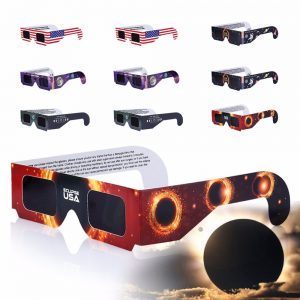
!URGENT! Recall on solar eclipse glasses!

URGENT RECALL OF SOLAR GLASSES!

We are sorry to inform you that due to new information provided by Amazon the eclipse viewing glasses we purchased may not be certified for viewing the eclipse. We were told these glasses were certified but over the weekend we were informed the certification may not be legitimate. We ask that you do not use these eclipse glasses, we can not guarantee that they will properly protect your eyes. We will gladly refund anyone who purchased these glasses through us. Below is the information provided by amazon:

“To protect your eyes when viewing the sun or an eclipse, NASA and the American Astronomical Society (AAS) advise you to use solar eclipse glasses or other solar filters from recommended manufacturers.  Viewing the sun or an eclipse using any other glasses or filters could result in loss of vision or permanent blindness.  

Amazon has not received confirmation from the supplier of your order that they sourced the item from a recommended manufacturer.  We recommend that you DO NOT use this product to view the sun or the eclipse.”

Our office is so sorry for this inconvenience. Located below is a list given to us from the American Astronomical Society as recommendations on where to get your approved eclipse glasses. Please enjoy the eclipse safely!

  Solar Viewer Brands

Innovations in Contact Lens Technology

Innovations in Contact Lens Technology


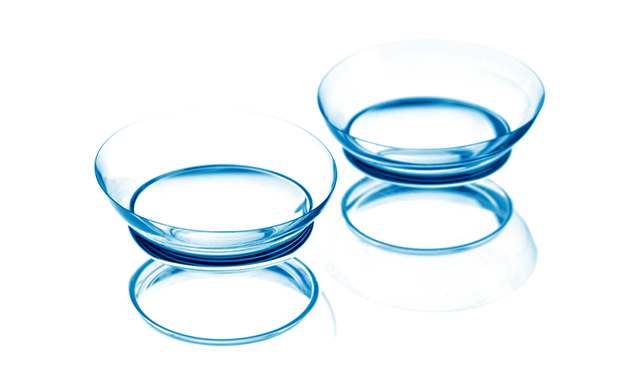
Contact lenses are medical devices that can improve vision, add convenience to activities, and bandage an injury to improve comfort and aid healing.  It is very important to have a contact lens evaluation to make sure your eyes are healthy enough to wear them comfortably without damaging the ocular surface, and to ensure the contact fits your eye properly.  There have been many advances in contact lens technology over the last decade to enhance comfort, breathability and vision demands.  We will discuss the different types and modalities of contact lens, wear time schedules, and the benefits of utilizing new technology to expand the demographic of eligible contact lens candidates.

The majority of contact lens wearers are in soft contact lenses.  These lenses are available in daily disposable, 2 week disposable, and 1 month
disposable wear schedule regimens.  Daily disposables are the healthiest option with improved convenience and comfort.  The cost difference is negligible when the consideration of solution cost is no longer needed with daily disposables.  Also, the packaging is recyclable, except the foil.

When the eye is not completely round and has an oval curvature, it is termed astigmatism.  In order to correct astigmatism with contacts, we must use a toric contact that is larger in diameter and must be orientated properly to provide adequate vision.  Different designs of toric lenses are available for different shapes of the eye to provide the best vision and comfort.   

Hard contacts are usually indicated for irregular corneal shapes and can be initially uncomfortable.  For those who find hard lenses unbearable, a blended(soft and hard) contact or scleral contact lens can be a valuable alternative to treat corneal diseases that cause irregularity.  

As we age, the ability to see up close slowly diminishes and a different modality of contact lenses are necessary.  Three main choices are multifocals, monovision and distance vision only with readers over the contacts as needed for near vision tasks.  Multifocals are the best option to try first because it provides seamless vision from distance to near, but is pupil size dependent so these do not work perfectly for everyone.  Monovision is when we fit the dominant eye for distance and the non-dominant eye for reading.  This seems like it would create imbalance or eye strain, but works very well for the majority of people who are not comfortable with multifocals.  These two modalities can be modified and used in combination dependent on patient visual demand.  If neither of these options is adequate, correcting the distance vision with the use of readers
over the contacts is a last resort.

Ortho-keratology is the science of using hard contacts during sleeping hours to gently change the curvature of the eye overnight, so no correction is needed during the day.  The initial comfort is sometimes an issue, but improves over time.  This has been implicated in reducing the progression of nearsightedness in the adolescence.   

Newer innovations in contacts have become exciting for other demographics as well.  A brand new lenses has been released specifically geared for the avid device user to reduce computer fatigue and enhance performance.  Also, bluetooth technology incorporated in the contact is on the horizon to monitor eye pressure and blood glucose, in order to better manage glaucoma and diabetes.