
Tag: eye safety

Sun Safety for Your Eyes and Skin

Don’t get burned! July is National UV Safety Month and we’re here to educate you on sun safety! According to the American Academy of Dermatology, it’s estimated that 1 in 5 Americans will develop skin cancer in their lifetime. Harmful rays from the sun can also cause sunburn, damage to your eyesight, the appearance of aging, and other changes in your appearance. You can easily protect yourself and your family from the sun.

The simplest way to protect your skin is to wear protective clothing, a hat and broad-spectrum water-resistant sunscreen on any exposed skin. Broad-spectrum means it protects against both UVA and UVB rays. The sunscreen should have a Sun Protection Factor (SPF) of at least 30 and should be applied liberally. The rules for applying sunscreen is basically apply some and then apply some more because the AAD says most people only apply 25-50% of the recommended amount of sunscreen. That reduces the sun protection! Apply a generous amount 15 minutes before you go outdoors. It should be reapplied about every 2 hours and/or after swimming or sweating. Don’t forget lip protectant with SPF. Sunburn is not fun; remember that it increases your chances of skin cancer.

The best way to protect your eyes and the skin around them is also a hat and high-quality UV-resistant sunglasses. Sunglasses should cover and protect you from all angles. They should block 99-100% of UV rays and absorb most HEV rays. Babies and children need to be properly clothed and outfitted with sunglasses and hats. Who would want to miss an opportunity to dress your little one in cute sunnies and hats anyway?! We can help you pick out the best sunglasses to protect yourself and your loved ones.

Shade is nice, so why not try it out! Sitting in the shade can block rays. Sources say the sun is at its strongest between 10 am and 2 pm. That sounds like the perfect time to enjoy a shady spot! Keep in mind, just because it’s cloudy doesn’t mean you can skip the sunscreen! Up to 80% of the sun’s harmful UV rays can still penetrate your skin on cloudy days. Just because it’s winter doesn’t mean the sun isn’t a danger either. You should wear your sunglasses in the shade, on cloudy days, and all seasons. Other risks for sun exposure are higher altitudes and reflective surfaces such as water, sand or snow.

To read more about sun safety or determine your risk levels, you can check the Environmental Protection Agency’s UV index daily.

decorative contact lenses

Decorative Contact Lenses Are Truly Scary!

Did you know that the FDA considers all contact lenses medical devices and a prescription is required for the sale of all contacts? All contact lenses require a valid prescription. This is whether they are for correcting your vision or for decorative purposes like changing your eye color. There is no such thing as “over-the-counter” contact lens, or at least not legally.

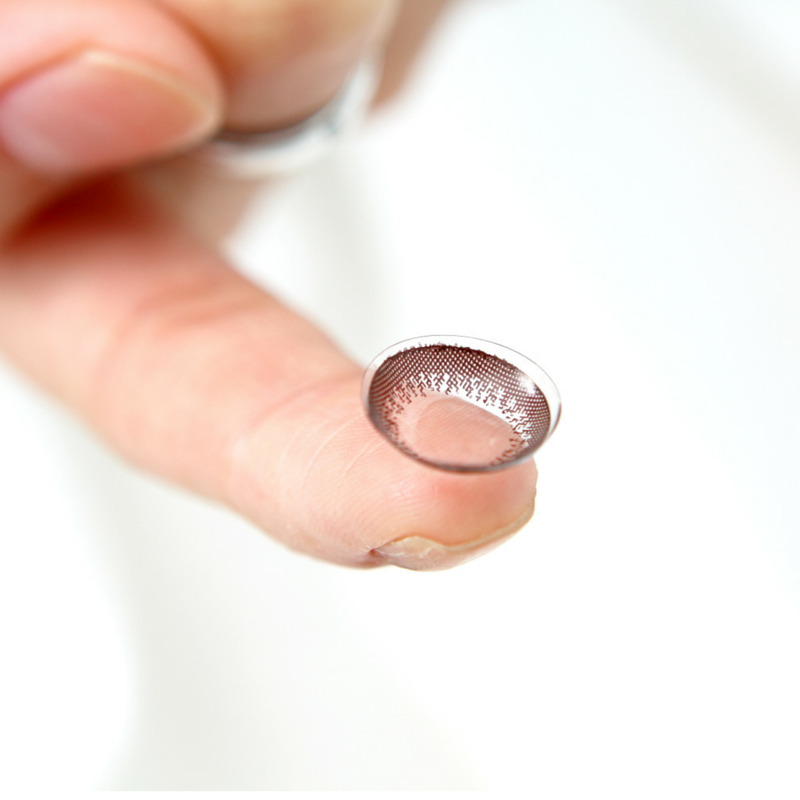
These decorative Halloween lenses are truly scary! Be wary of non-prescription decorative contact lenses as part of your Halloween costume. Not only are these illegal, they can be incredibly damaging to your eyes. They can cause serious health issues such as infection, and are harmful to your vision. These contacts aren’t guaranteed to meet U.S. standards for toxicity, oxygen or water transmission requirements. They’re also not fitted to you as prescription contacts would be by your eye care professional. Dr. Jeffrey Walline, O. D. Ph. D., and Chair of the AOA’s Contact Lens & Cornea Section says, “This makes these lenses extremely dangerous to even try for a short period of time, including, for example, a Halloween party.”

A study published in the September 2015 issue of Eye & Contact Lens: Science & Clinical Practice, detected unsafe and unregulated chemicals in these non-corrective colored lenses. “When purchased over-the-counter, decorative contact lenses can put people at risk for bacterial infections, allergic reactions, or even significant damage to the eye’s ability to function, with the potential for irreversible sight loss. Sadly, numerous cases of serious harm have been documented,” adds Dr. Glenda Secor, O.D., past chair of the AOA’s CLCS.

It’s not worth your vision to have cat or zombie eyes for one night! Don’t let your friends wear these scary non-prescription lenses either. Help us spread the word!

Visit www.contactlenssafety.org or www.aoa.org for more information.

4 Tips For A Cool, Fresh & Fun Spring Fever!

Finally after a long and wet winter season, Spring has arrived!  We’re just as excited as you are to leave the wintry clothing at the bottom of the closet and give the heater a rest in the car.  Who’s ready for a little spring break, a few road trips and a handful of adventure?  Hands down one of the prettiest times of the year in Asheville, here are a few friendly reminders to ensure your spring fever stays cool, fresh and fun!

springfever2015DON’T FORGET TO BE MINDFUL OF…

SRING ALLERIES. Pay extra attention to what triggers your seasonal allergies so you know what to avoid. See an eye doctor if your eyes become itchy, red, watery and swollen.  You’ll want to make certain you have your cupboards stocked of all your favorite and necessary eye relief remedies.  Placing extra bottles or container or remedies in your car is also a useful tip.

SPORTS EYEWEAR. Almost 90 percent of sports related eye injuries are preventable with protective eyewear. Normally, this is the season the kiddies are rearing to get back out a hit a homer or get those cleats in the dirt for some real spring sporty action. It’s also a good time to investigate sport eye wear for both you and the kids. You know the old adage: “Better to be safe than sorry.”

EYE SAFETY AT HOME.  Are you planning on spring cleaning, thinking of a few home-improvement projects or backyard gardening? IF so, then don’t forget to wear safety glasses or goggles to help avoid eye injuries.  If you have experience with dry eye or any other eye health discomforts that cause dis-ease, be careful of what you’re spraying around the house and be mindful of what you’re using in your gardening. Check the labels, read the ingredients and stock up on your favorite protective eye wear. There’s nothing that can spoil a beautiful day in the garden like itchy, watery eyes or an accidental poke when you’re not looking.

SUN PROTECTION.  The truth is everyone in the family should wear sunglasses while outdoors, even on cloudy days. Believe it or not, the sun’s harmful UV rays can cause cataracts, eyelid cancer and more.  Easily the number one underestimated tip for healthy eyes all around, regardless having protecting sun wear is a must.  How do you know if you’re at risk? Here is how: If you have fair skin, are greater in age, and/or have light eyes, the higher your long-term risk, especially if your work or recreation involves prolonged sunlight exposure. Light eyes are at risk certain eye diseases because they contain less of the protective pigment melanin.

So, before we’re in a rush to grab our hiking boots and get out in the warm sunshine and air, let’s first remember to give thought to how we’re protecting our precious sense of sight.  HAPPY SPRING!!
