!URGENT! Recall on solar eclipse glasses!

URGENT RECALL OF SOLAR GLASSES!

We are sorry to inform you that due to new information provided by Amazon the eclipse viewing glasses we purchased may not be certified for viewing the eclipse. We were told these glasses were certified but over the weekend we were informed the certification may not be legitimate. We ask that you do not use these eclipse glasses, we can not guarantee that they will properly protect your eyes. We will gladly refund anyone who purchased these glasses through us. Below is the information provided by amazon:

“To protect your eyes when viewing the sun or an eclipse, NASA and the American Astronomical Society (AAS) advise you to use solar eclipse glasses or other solar filters from recommended manufacturers.  Viewing the sun or an eclipse using any other glasses or filters could result in loss of vision or permanent blindness.  

Amazon has not received confirmation from the supplier of your order that they sourced the item from a recommended manufacturer.  We recommend that you DO NOT use this product to view the sun or the eclipse.”

Our office is so sorry for this inconvenience. Located below is a list given to us from the American Astronomical Society as recommendations on where to get your approved eclipse glasses. Please enjoy the eclipse safely!

  Solar Viewer Brands

Innovations in Contact Lens Technology

Innovations in Contact Lens Technology


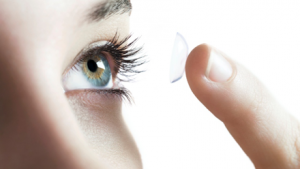
Contact lenses are medical devices that can improve vision, add convenience to activities, and bandage an injury to improve comfort and aid healing.  It is very important to have a contact lens evaluation to make sure your eyes are healthy enough to wear them comfortably without damaging the ocular surface, and to ensure the contact fits your eye properly.  There have been many advances in contact lens technology over the last decade to enhance comfort, breathability and vision demands.  We will discuss the different types and modalities of contact lens, wear time schedules, and the benefits of utilizing new technology to expand the demographic of eligible contact lens candidates.

The majority of contact lens wearers are in soft contact lenses.  These lenses are available in daily disposable, 2 week disposable, and 1 month
disposable wear schedule regimens.  Daily disposables are the healthiest option with improved convenience and comfort.  The cost difference is negligible when the consideration of solution cost is no longer needed with daily disposables.  Also, the packaging is recyclable, except the foil.

When the eye is not completely round and has an oval curvature, it is termed astigmatism.  In order to correct astigmatism with contacts, we must use a toric contact that is larger in diameter and must be orientated properly to provide adequate vision.  Different designs of toric lenses are available for different shapes of the eye to provide the best vision and comfort.   

Hard contacts are usually indicated for irregular corneal shapes and can be initially uncomfortable.  For those who find hard lenses unbearable, a blended(soft and hard) contact or scleral contact lens can be a valuable alternative to treat corneal diseases that cause irregularity.  

As we age, the ability to see up close slowly diminishes and a different modality of contact lenses are necessary.  Three main choices are multifocals, monovision and distance vision only with readers over the contacts as needed for near vision tasks.  Multifocals are the best option to try first because it provides seamless vision from distance to near, but is pupil size dependent so these do not work perfectly for everyone.  Monovision is when we fit the dominant eye for distance and the non-dominant eye for reading.  This seems like it would create imbalance or eye strain, but works very well for the majority of people who are not comfortable with multifocals.  These two modalities can be modified and used in combination dependent on patient visual demand.  If neither of these options is adequate, correcting the distance vision with the use of readers
over the contacts is a last resort.

Ortho-keratology is the science of using hard contacts during sleeping hours to gently change the curvature of the eye overnight, so no correction is needed during the day.  The initial comfort is sometimes an issue, but improves over time.  This has been implicated in reducing the progression of nearsightedness in the adolescence.   

Newer innovations in contacts have become exciting for other demographics as well.  A brand new lenses has been released specifically geared for the avid device user to reduce computer fatigue and enhance performance.  Also, bluetooth technology incorporated in the contact is on the horizon to monitor eye pressure and blood glucose, in order to better manage glaucoma and diabetes.

“Why are my glasses so expensive?!”

You may be asking yourself this question after seeing online and commercial advertising. Our objective at Envision Eyecare is to educate our patients on the difference in quality and craftsmanship between our glasses and those purchased online or through a commercial vendor.  It is through education that we can convey why all glasses are not created equal.  The Envision Eyecare team takes a great deal of pride in the services and products we offer as well as the information we provide to our community.  We are unique from other providers, so we hope you find this information helpful as you decide what’s important for your best sight and eye health.

First, why wouldn’t you purchase your eyewear online or from a commercial, corporate vendor if you could save on cost?  Research shows that over 50% of online eyeglasses are returned to the consumer with incorrect prescriptions and/or materials not delivered as ordered.  Plus important measurements that ensure your best vision are generated haphazardly, which can have detrimental effects on your best vision and comfort.  Most online and commercial vendors promote cheap prices which leads to a diminished sense of sight and performance. While the immediate benefit may be cost saving, you’ll often sacrificing your visual clarity, comfort, protection and, most importantly, preservation of your sight. As with other consumer purchases, the adage “you get what you pay for” certainly holds true with eyewear.

Read on to learn how our Optical Experts use their hard-earned skills and knowledge to craft the best eye wear possible for your lifestyle, fashion, fit and protection.

Top 5 things we consider when ordering your great spectacle lenses:

  1. Lens material- (plastic vs. polycarbonate)-polycarbonate is thinner/lighter and impact resistant for improved comfort, safety and aesthetics
  2. Premium anti-reflective treatments (or AR)- this treatment reduces glare and reduces fatigue with computer use; cheaper coatings typically peel or chip after a short time.
  3. Lens surfacing (Digital vs traditional)- digital surfacing enhances visual clarity by reducing peripheral distortion and improving range of vision in progressive lenses
  4. Blue light and Ultraviolet radiation filters- protect against macular degeneration, the #1 cause of blindness over 55, as well as Cataracts and eyelid skin cancer (which accounts for 8% of all skin cancers.)  Other benefits include improved sleep and reduced eye strain from devices.
  5. No-line bifocals/progressives (premium vs standard)- premium progressives provide a wider area for reading and intermediate vision with reduced peripheral distortion leading to easier adjustment and everyday use.

Top 3 things we consider when ordering your fabulous new frame:

  1. Your exact spectacle prescription- matching your Rx to a specific frame is a critical first step in making your glasses accurately.
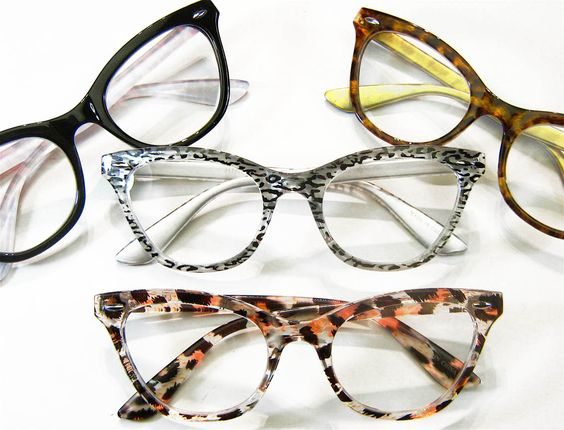
  2. Frame Material- hand-selecting frames that are made from quality metals, such as titanium or are hand-made (see STATE OPTICAL CO.) make for a more durable frame over time. Cheaper frames are made from poorer quality metals and injection mold plastics which lose their adjustment and break easily.
  3. Comfort and Fit- Your face and fashion sense means a lot to you! Cheaper frames are heavier, leading to daily discomfort, and can be more difficult to adjust and hold their shape. Our patients feel more confident and attractive, leading to a superior user experience for the life of their eyewear.

We stand behind what our Doctor’s prescribe for you and are able to guarantee the quality of your eye wear if they are made in our office. We ensure quality control for all glasses orders, checking that they were made properly and that frame adjustments are accurate for you, making sure you have the best for your eyes.

The list above is a guide to educate you on products that will enhance and protect your vision. We believe your eyes and your vision are worth it and we hope you do too!

Our optical team is committed to excellence and quality.  We are here to partner with you to find best fit eyewear for the demands of your everyday life. We offer a wide range of products for all budgets, plus we want you to SEE and be SEEN wonderfully!


Age-Related Macular Degeneration

[av_textblock size=” font_color=” color=”]
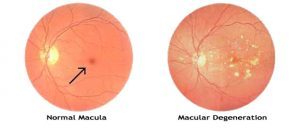
The macula is a small area in the eye responsible for our precious central vision, color perception and therefore, our independence.  It is a delicate tissue comprising only a few millimeters of the retinal lining that surrounds the inside of our eye.  Age-related Macular degeneration(AMD) is a medical condition affecting 8 million Americans, accounting for more than 50% of all vision loss in the US caucasian population.  This condition is constantly growing with our aging population and expanding life expectancies.  Important risk factors include family history, smoking, age, Ultra Violet exposure, diet, hypertension, and high cholesterol.  While genetics explain upwards of 60% of the risk, a complex interaction of unfavorable environmental and lifestyle events account the the remaining risk of progression.   Most common signs and symptoms are distorted or missing area of vision, shadows, slow recovery time, declining color perception, and contrast sensitivity.  

Treatment and management depend on the form and stage of the disease, but prevention and early detection are paramount.  Concisely, the dry form causes slow atrophy and scarring due to cellular debri accumulation, called drusen, and is divided into three progressive stages.  Duly noted, is a link to Alzheimers disease, due to the similarity of the drusen accumulation.  Retinal imaging is being explored as a future indicator of this disease.  Genetic testing of specific markers are strong predictors of risk/progression of these age related diseases, but can be an expensive option.  The goal is to promote prevention and reduce progression through lifestyle changes and supplementation of carotenoids, such as lutein and zeaxanthin with omega-3s.  Studies have shown that a combination of these supplements reduce the risk of progression(see AREDS 2 study). Cessation of smoking is imperative. UltraViolet Radiation protection when outdoors and protection from extended exposure to high-energy visible light emitted from digital devices, known as Blue Light, is also crucial. The wet form of macular degeneration is less common(10-20%), but has a rapid onset.  It usually preceded by the dry form, but not always.  It is caused by abnormal blood vessel growth that leak and require treatment immediately upon diagnosis, with early detection leading to more favorable outcomes.  The mainstay of treatment for wet AMD is monthly ocular injections to reduce leakage and prevent further blood vessel growth.  Although this procedure may seem extraordinarily undesirable, it is relatively painless and preserves sight for this aging demographic that would otherwise have lost their independence.  Previous treatments include lasers that scar the macula resulting in permanent vision loss, but halted new blood vessel growth.  

Several new treatment options are being explored for this disease.  The optimistic results of a topical maintenance drop daily instead of monthly injections are on the horizon.  Promising stem cell research results will dramatically change the future treatment.  Reducing risk factors is the paramount in those genetically predisposed.  At Envision Eyecare, we evaluate an indicator of risk on every patient over 40(or family risk of AMD and Diabetics), known as the Macular Pigment Optical Density(MPOD).  With dietary changes and/or supplementation, we have documented significant improvements in pigment density, which study indicate shield the macula from deleterious effects of high-energy blue light.  Being proactive can function as a barrier to those at risk.  Our team at Envision Eyecare is passionate about enhancing, protecting, and preserving our patients vision.  We provide education on technology that completely filters the blue light to protect the macula, also promoting less fatigue on digital devices and enhancing deep sleep patterns.  In later stages of AMD, low vision therapy specifically designed for patient needs, including devices such as magnifiers, specular telescopes, computer applications and closed-circuit TVs, can also be helpful in maintaining independence.

In the next edition, I will explore the holistic approach to ocular health and vision correction with an open mind, addressing the insightful benefits and gross misconceptions that concern me from an evidence based prospective.  Balance is essential. Knowledge is awareness.  Stay connected.  Protect your eyes and enjoy your sight!

All the best,

Dr. B
[/av_textblock]

[av_one_full first min_height=” vertical_alignment=” space=” custom_margin=” margin=’0px’ padding=’0px’ border=” border_color=” radius=’0px’ background_color=” src=” background_position=’top left’ background_repeat=’no-repeat’ animation=” mobile_display=”][/av_one_full]

[av_one_half first min_height=” vertical_alignment=” space=” custom_margin=” margin=’0px’ padding=’0px’ border=” border_color=” radius=’0px’ background_color=” src=” background_position=’top left’ background_repeat=’no-repeat’ animation=” mobile_display=”][/av_one_half]

[av_one_full first min_height=” vertical_alignment=” space=” custom_margin=” margin=’0px’ padding=’0px’ border=” border_color=” radius=’0px’ background_color=” src=” background_position=’top left’ background_repeat=’no-repeat’ animation=” mobile_display=”][/av_one_full]

Mountain Sports Festival

Envision Eyecare Sponsors Kids Zone at Festival

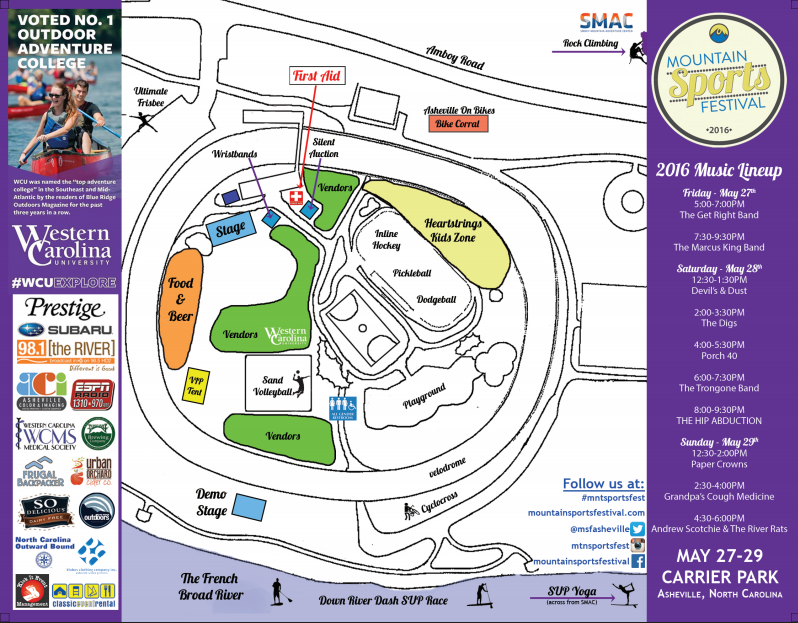
This weekend, May 27-29th, there’s a celebration of sports, the mountains, and Asheville, complete with live music, food, beer, and fun! It’s the 16th annual Mountain Sports Festival held at Carrier Park on Memorial Day weekend. This year’s festival features a variety of sports events such as Cyclocross, disc golf, hockey, Pilates, a Crossfit challenge, different kinds of races, and much more. The music lineup schedule is up on the website. There’s tons of music all three days from some awesome local bands of different music genres. As it is with most great festivals in Asheville, there’s great food and local craft brews to be had at the Mountain Sports Fest. You’ll find Pisgah Brewing, Sierra Nevada, and Urban Orchard Cider at the festival.

Bring the children out to the festival to enjoy the Heartstrings Kids Zone hosted by the Western Carolina Medical Society. Envision Eyecare is a proud sponsor of the Heartstrings this year. The Kids Zone features bounce houses, a giant slides, games and coloring, face painting, healthy snacks from Trader Joe’s, and more. There will also be a 50-50 raffle to benefit Western Carolina Medical Society Foundation. If you’d like to donate to WCMS Foundation’s numerous charitable programs, you can here.
Lastly, there will be some great vendors and sponsors at the festival, from outdoor gear and rentals to activities and outdoor publications. Don’t miss the silent auction while you’re there. There are some really good adventure and outdoor auction items up for grabs!

Come out and play at the Mountain Sports Festival this weekend!

Envision Eyecare Sponsors Montford Avenue Festival

This Saturday marks the 13th annual Montford Avenue Music and Arts Festival in the historical Montford neighborhood of Asheville, North Carolina! Envision Eyecare is proud to be a sponsor of this festival! This festival is Asheville’s longest running single day neighborhood street festival. Of course, no festival in Asheville is complete without local food, music, arts and crafts, and that’s exactly what you’ll find at the Montford Avenue Fest. You’ll experience a taste of Asheville, as only Asheville vendors participate. You’ll find some of Asheville’s finest food trucks there. There will even be beverages from Biltmore Coffee Traders, lemonade from Macdaddy’s Organic Lemonade, and many flavors of ice cream from The Hop Ice Cream.

The music lineup has been announced on the Montford Avenue Festival’s Facebook page. Check out the bands that will be playing all day. There will be two music stages with live music. There will be a few special groups performing such as the Asheville Morris Men, Ashgrove Garland Dancers, and the Mountain Lion Chinese Dragon Dance.

Come out to the Montford Avenue Festival on Saturday, May 21st from 10 am until 7 pm. Enjoy the historical neighborhood while you stroll the street checking out the local artisans at this wonderful local festival!

Envision Eyecare eye health for seniors

Envision Participating in YMCA Western NC Fit After 50

The YMCA of Western North Carolina will be hosting the Fit After 50 Day and Envision Eyecare is participating! Be sure to come out to the Reuter Family YMCA in Asheville on Saturday, September 19th from 12 noon-4 pm. Stop by and see the Envision Eyecare team at our booth! Our team will be giving vision and Glaucoma screenings, as well as passing out information on protecting your eye health.

There will be over 25 vendors, informative lectures, group ex try it classes, pickle ball, Flu vaccines, free health screenings, massage and more throughout the day.

The YMCA’s annual FIT AFTER 50 DAY is the kickoff event for Active Aging Week 2015.

Seminars Include:
12:15pm – Making Home Safer for Seniors
1:00pm – A Natural Approach to Preventing Cognitive Decline

Activities Include:
12:00pm – Water Fitness (Medium intensity)
12:00pm – Pickleball Clinic
12:30pm – Pickleball Play and Rock Climbing
12:45pm – Water Fitness (ROM)
1:30pm – Zumba Gold
2:45pm – Forever Fit

Our staff at Envision Eyecare hope to see you on September 19th! Visit the YMCA Fit After 50 page for more information.

Importance of Back to School Eye Exams

back-to-school-kid3

Although it’s common to think of your GP when you think of back-to-school exams, making certain your child is scheduled for their annual eye exam is now right there at the top of the list.  According to reports, more than half the children who get labeled “problem learners” are actually not. These children genuinely are misdiagnosed, something a routine exam could fix.


Often times a child’s lack of participation or initiation in the classroom can be the result of poor vision.  Children have a tendency to hold objects extremely close to their eyes or experience squinting to see the blackboard or prime candidates for an eye exam. Reports have already indicated one in every five children entering kindergarten walk into school with undetected vision problems.

With the challenges the children of today face, learn is already hard work, this is one area all parents can help that learning curve shorten just a little.

Some signs parents can watch for are:

  • In ability to read a few sentences at a time without tearing
  • Squinting constantly
  • Holding objects extremely close to the face
  • Reading letters and numbers backwards or out of place
  • Physical complaints of headaches or eye aches
  • Losing their place when reading lines in a book
  • Constantly having to sit up close to the TV at home or in the first row in school
  • Covering one eye to read the board or watch TV
  • Difficulty with sports


These are just a few of the common signs your child most likely is experiencing some vision issues. A quick call to your eye doctor, schedule an appointment and you are well on your way to empowering your child’s learning experience.  With children being misdiagnosed with ADD, due to undetected vision challenges, it’s always best to be safe than sorry.

Have you scheduled your child’s eye exam for the upcoming year?

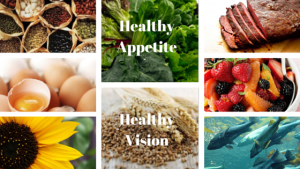
10 Foods That Can Help Improve Your Vision

Hopefully most of us have made it through allergy season with our mental and well-being in tack – not to mention our visuals as well.  It’s been a rough road to recovery with piles of tissues, bottles of nasal sprays, vials of lubricating eye drops for those dry eyes.  And as usual, the schedule for eye appointments always peaks right around allergy season time here at the office.
Your VisionIf there is one thing we locals in Asheville know is one the best remedies for combating allergies, it’s the fact you must eat the local honey!  It’s pretty much common knowledge the local honey infuses your body with the necessary antibiotics to fight off or minimize allergies. Isn’t it funny how we’re quick to access this local wisdom when it comes to something as common as allergies, but when it comes to knowing what you can eat to prevent dry eyes, macular degeneration and even cataracts not so much?

Most of the time we don’t really give much thought to our vision until something goes wrong.  Given the fact we’re living in an age of “information overload,” life has become very busy. Sometimes we’re not aware something is broken or not operating properly until the warning signals start to beep and go off. In the world of eye health care that would be blurry vision, headaches and/or watery eye symptoms. Yet, much of what we see can be prevented or kept at bay with one simple step.

WATCH WHAT YOU EAT.

One powerful and simple step you can take in protecting your precious sense of sight is by taking mindful steps around your diet; watch what you eat. We don’t often connect the dots between our vision and what we had for breakfast, lunch or dinner but we should.  When we bring a sense of intention to what we eat, we empower ourselves to better care for our vision long before a visit to the eye doctor is required.

So, we thought we’d give you a hand by providing you a quick “check list” of foods that are powerful health agents and high in antioxidants. This way the next time you’re out to grab a bite to eat or you’re at the grocery store shopping for your weekly meal plans, you’ll have a head start on what to include on your food list.


Fish
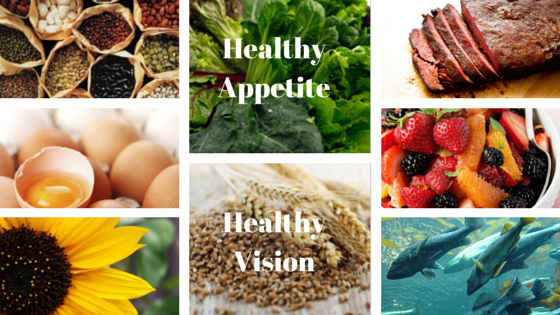
Cold-water fish such as salmon, tuna, sardines and mackerel are rich in omega-3 fatty acids, which may help protect against dry eyes, macular degeneration and even cataracts. If you don’t eat seafood, you can get a good supply of omega-3s by using fish oil supplements or taking vegetarian supplements that contain black currant seed oil or flaxseed oil.

Leafy Greens
Spinach, kale and collard greens, to name just a few, are packed full of lutein and zeaxanthin, important plant pigments that can help stem the development of macular degeneration and cataracts. Broccoli, peas and avocados are also good sources of this powerful antioxidant duo.

Eggs
The vitamins and nutrients in eggs, including lutein and vitamin A (which may protect against night blindness and dry eyes), promote eye health and function.

Whole Grains
A diet containing foods with a low glycemic index (GI) can help reduce your risk for age-related macular degeneration. Swap refined carbohydrates for quinoa, brown rice, whole oats and whole-wheat breads and pasta. The vitamin E, zinc and niacin found in whole grains also help promote overall eye health.

Citrus Fruits and Berries
Oranges, grapefruits, lemons and berries are high in vitamin C, which may reduce the risk of cataracts and macular degeneration.

Nuts
Pistachios, walnuts, almonds — whichever type tickles your fancy — are rich in omega-3 fatty acids and vitamin E that boost your eye health.

Legumes
Kidney beans, black-eyed peas and lentils are good sources of bioflavonoids and zinc — and can help protect the retina and lower the risk for developing macular degeneration and cataracts.

Fish Oil, Flaxseed Oil and Black Currant Seed Oil
These super supplements contain omega-3 fatty acids and have many eye health benefits, including helping to prevent or control dry eye syndrome as well as reduce the risk of macular degeneration and cataracts.

Sunflower Seeds
Help keep your eyes healthy and disease-free by snacking on sunflowers seeds, which are excellent sources of vitamin E and zinc.

Beef
In moderation, lean beef in your diet can boost your eye health. Beef contains zinc, which helps your body absorb vitamin and may play a role in reducing risk of advanced age-related macular degeneration.

The Play Of Life

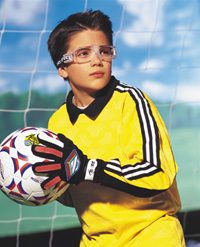
kid6In preparation for this months’ SPORTS EYE SAFETY AWARENESS MONTH we read quite a few articles, blogs and social media newsfeed to see what the latest is in the world of Optometry and Ophthmalogy. Now, if you’ve read one, you’ve pretty much read them all when it comes to eye safety and sports.  Every parent [for the most part] understands the need to protect their child’s precious sense of sight when it comes to sports activity. But, do we understand the emotion, psychological and mental ramifications when the importance of healthy vision is overlooked.

Studies show that only four in ten kids, between the ages of 6-12 years, are actively engaged in neighborhood sports. In addition, studies also an increase in the decline of these numbers in the near future.  The lack of mobility and engagement for our children increases their risk for other health related challenges.  In America alone, obesity is the number one reason our children become high risk for cardiovascular disease, bone and joint problems, sleep apnea, and social and psychological problems such as stigmatization and poor self-esteem.  For most families this is just the beginning.

It seems farfetched and an extreme stretch to see the connection between healthy eye sight and our children’s over well-being. And yet, it [a child’s vision] is usually one of the first signs to alert us there is a deeper issue at hand; especially if your child is active in sports. Like with most things in life, one circumstance has the power to affect all areas of our lives. The same applies for our kids.

However, the signs that your child needs glasses are not always clear.  And so, to help you know what to look for, here are a few tips to help you out:

  1. Tilting their head.This can indicate an eye muscle imbalance.
  2. Covering one eye/frequent squinting one eye to see the ball either far or near.
  3. Losing their place in an attempt to catch, throw or follow the ball or apparatus.
  4. Physical complaints like headaches, watery eyes or dry eyes.
  5. Problems seeing outdoors, losing sight of the ball, the pitch, especially during quick movement.
  6. Disruptive behavior during practice/at school, such as talking while the teacher/coach is talking or distracting other students.

These are just a few tips to help you gage your child’s eye health development. Keep in mind, one or two incidents may not be cause for alarm but if you notice a consistency over time, you’ll want to schedule an eye exam just to be sure.  And remember, children don’t know the difference between impaired vision and correct vision. They rely on us to catch the signals and notice the signs. When it comes down to it, isn’t it up to us to be team players in protecting their precious sense of sight?

We thought so…game on!