Thank You to Our Community of Patients!

Don’t let the sun go down without saying thank you to someone, and without admitting to yourself that absolutely no one gets this far alone.” — Stephen King

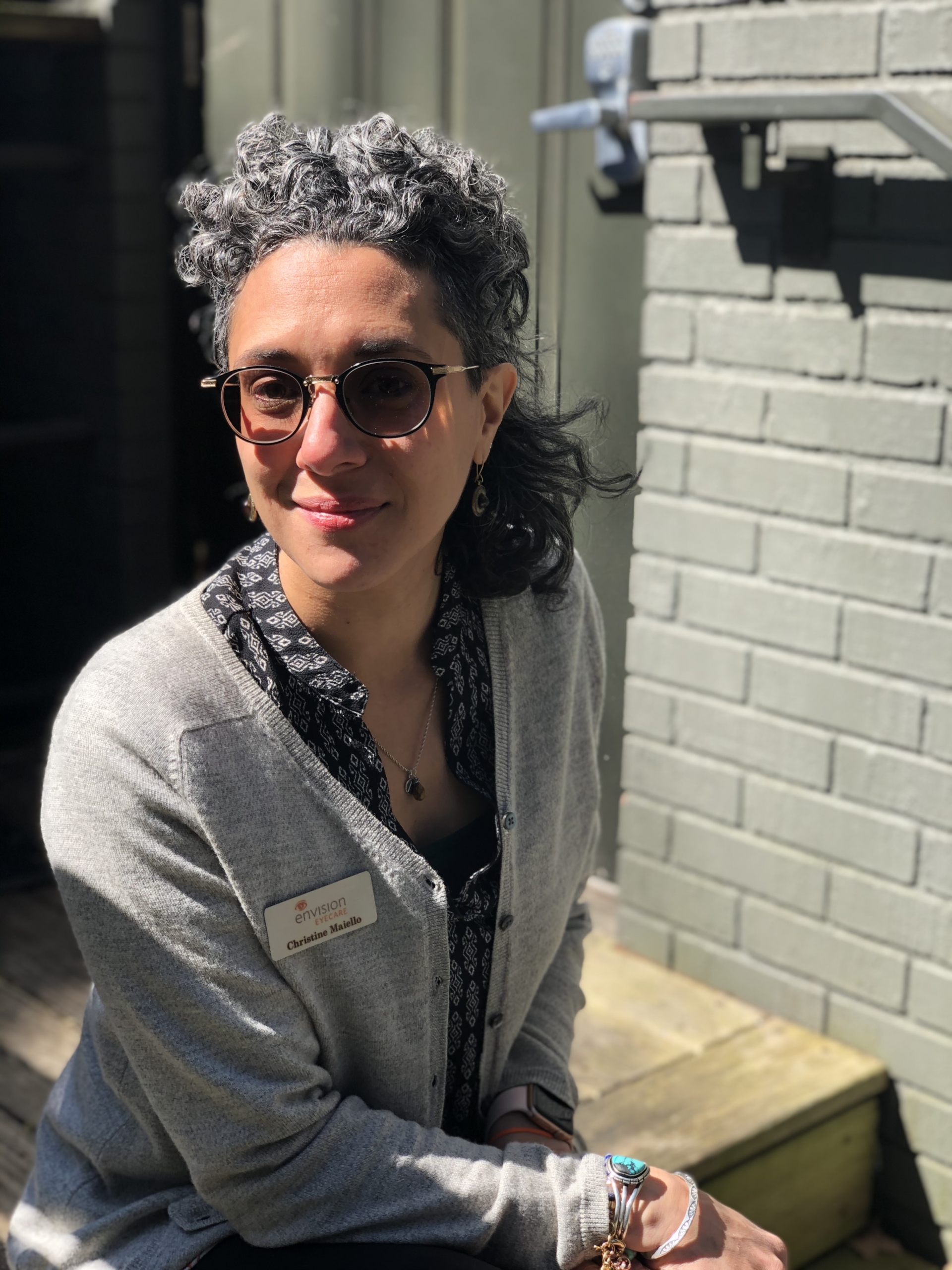
A letter of thanks and remembering from our Office Manager.

Present Day.

As the Integrator for successful guidance, team collaboration and positive patient results over the last 6 years, I’ve had the opportunity to lead this organization and team through many changes, challenges, celebrations and creative advancement. Every aspect of how we engage with each other, our patients and our physical office space has adapted to life during a pandemic and it was A LOT to work through. It still is!

As we persevere we are feeling refreshed that spring is upon us again and that we are one year away from that traumatic time of closing our doors with uncertainty of what was to come. With all the changes from 2020, one thing holds true: this team desires to continue enhancing the eyecare and eyewear experience, for you. To support you to see and perform your best in this age of digital connection, helping to build comfort and ease in your world. As a local business, your support, referrals and return to us for your eyecare means the world to us.

Without YOU, we wouldn’t have survived the last year.

Seven weeks.

That was the duration of time we closed our doors to our patients and community when the pandemic hit last March. It changed our way of practicing eye care indefinitely, our systems shifted drastically as the shut-downs impacted every one of us. It was unknown and straight-up scary.

We asked ourselves ad nauseam, “How do we do this? Who do we call for more information? What happens if…? What does that symptom mean? Is it COVID? What processes are in place to ensure our team and patients stay healthy and safe?” Every day was an adventure as we remained steadfast and loyal to “get it right” as best we could.

Thank you.

I wanted to share this perspective with you to tell you that we are proud and honored to be here. We are inspired by other local businesses that survived the last year. We may be small, but we are Asheville! Strong and mighty!

We stay encouraged to continue to grow and develop this team, this practice and our care for our community. For you.

Thank you sincerely and endlessly for supporting Envision Eyecare, for trusting us in our care and for understanding that we want to get it right, even through all the changes and challenges of years past. Your patience is paramount as we carry on!

Together, we do.

Stay strong and well!

In deep gratitude,

Christine Maiello

Office Manager

We Are Here For Your Eye Emergencies!

Did you know that our doctors can still perform emergency eye care visits and follow up appointments?


Envision Eyecare is excited to offer access for urgent eye care needs with Telehealth services and in office visits as needed.
Telehealth is a virtual visit conducted with an Envision Eyecare Doctor. In most cases, this is done via video, imaging, or a phone call from a safe location of your choice. Telehealth supports the advised social distancing that could help limit the spread of the COVID-19 virus.


What you can accomplish with a Telehealth appointment:
You can talk about symptoms, or follow up on your prior medical or vision problems. In many cases you can receive a diagnosis and medical prescription, for your health issues from the convenience of your safe location. If this is not possible, we can schedule an in office visit to assess and resolve your eye issue. 


How to schedule an urgent eye health appointment:
Please call (828) 254-6757 or email us at [email protected] and request an appointment and we will find a convenient time for you to schedule a consultation. If you must leave a message, PLEASE INCLUDE YOUR DATE OF BIRTH. You will be contacted by an Envision Eyecare team member at your designated telephone number.


***
You can order your contact lens through our office!

Contact Lens Basics: Types of Contact Lenses, And More


Please call (828) 254-6757 or email us at [email protected] and a team member will assist you. If two or more boxes are purchased, we can ship the supply to your address for free!

We also offer online ordering for your contacts through our website!

  1. Access https://www.myenvisioneyecare.com/ and scrolled , labeled as “Order Contacts”
  2. Create an account with an email, first & last name, DOB, an approved username & password.
  3. Once the order is placed, please be mindful that there is a 1-2 business days pending approval before the order can be processed, to ensure authorized and valid contact lens prescriptions.
  4. If there are any issues, you will be contacted by an Envision Eyecare team member.


Please allow 1 week after your order is placed to receive your contacts. If your contact lens prescription is expired, at this time we are allowing patients to order a 6 month supply through our office to hold over until we are open for normal care.


***
Banner Ad

What is Best of WNC?
Each year Mountain Xpress asks the community to vote for their favorite local businesses in a variety of categories. The winners of each category are then published in the “Best Of” edition; encouraging the community to shop local and venture somewhere new.


We’d like to ask the favor of your Vote for the “Mountain Xpress’ Best of WNC!” contest which ends in a few short weeks on April 30th. We’ve been fortunate to have been voted “Best of Eyecare Specialist/Service” for the last 8 years running.


Link to vote: https://mountainx.com/bestofwnc/

***Please note! You must vote in 30 categories for your vote to count! So think of all your favorite local places in Western North Carolina and vote for them as well.***

If you have any questions or need help, please do not hesitate to reach out!

***

Be safe and be WELL!


Dr. Larry Golson, OD and Dr. Eric Bryant, OD 

&

The Team at Envision Eyecare

Mission: Vision

Honduras Vision Brigade 2018

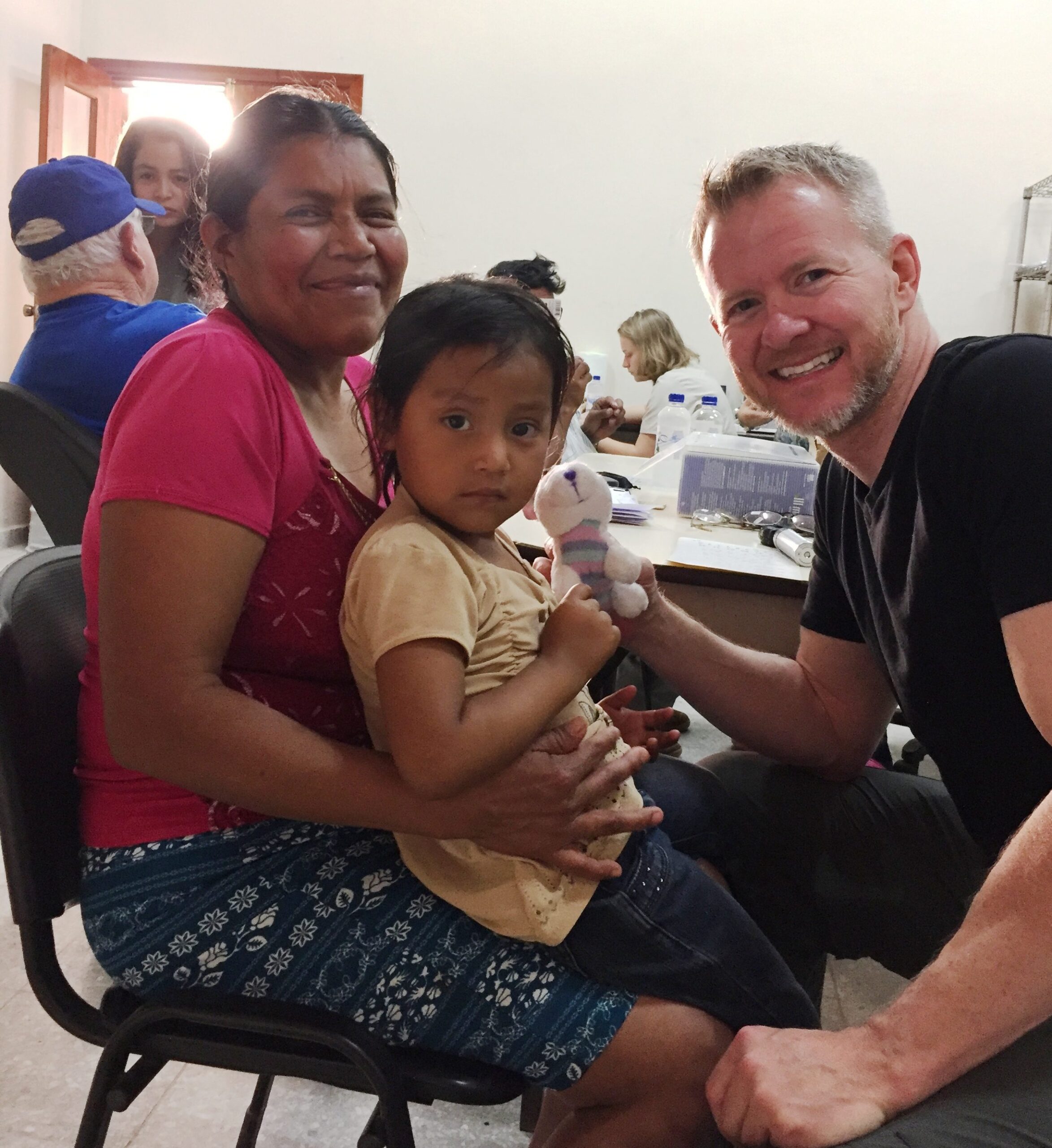
In late February, the Rotary Club of Asheville sponsored a vision and dental mission to Copan Ruinas, Honduras.  I have been a member of this club since moving to Asheville in 2016 and it was my honor to join the brigade. We had been planning for this trip all year with fundraisers, medical supply collections, and re-purposed eyeglasses donated from many sources, including Envision Eyecare’s community of patients. Thank you for that!

The trip to get there was not easy enduring a 5-6 hour bus ride through rugged terrain after a long flight.  The days were exhaustingly long and hot, but extremely rewarding to give back the precious sense of sight to those in need. Before our visit, many of these poverty stricken individuals were unable to effectively cook, sew, weave, read, and provide for their families due to poor eyesight.  To broaden our reach, we bussed people to our clinic from other remote areas that did not have access to transportation. These people waited all year for our brigade and were immensely grateful to receive our services.

It’s amazing what we take for granted and how easily we lose focus on what is important.  I saw a variety of eye diseases not prevalent in the United States. In our country, typically they are caught and treated through newborn screenings. When undiagnosed, as in the cases we treated, these diseases are devastating to vision.

We served over 1000 people in need and a few stories that stand out are: Carlos, a 9 year old, whom I removed a metal foreign body from his eye. If left untreated,  a scar would have formed due to infection and eventually would cause a permanent loss of his vision. Second, a severely nearsighted little girl, Josefina, was never able to see well due to her uncorrected vision.  Once I placed the correct prescription glasses over her eyes, she wept because she was finally able to see her mother clearly for the first time.

I will be returning next year with more awareness of the materials needed to provide eye care to even more people.  The humble living conditions and non-existent healthcare system really brings perspective on what is truly important in life.  It’s unclear who received more out of this experience; us for helping them, or the Hondurans for receiving our care. Thank you so much for donating your eyeglasses to help our cause and for reading my account of this meaningful experience.

Headed Back to School

Four Reasons Why Your Child Should Have an Eye Exam

A vision screening at school, church or even a pediatrician is not a substitute for a comprehensive eye exam. Serious eye health and vision concerns can be missed at a screening, certain states are mandating children have a comprehensive exam before entering school. The doctors at Envision Eyecare advise yearly eye health exams for children for the following important reasons:

  1. 80% of learning occurs through the visual system, and in order for your child to reach his/her full potential in school, it is critical that eye tracking, acuity, and focusing are functioning properly. 
  2. Most ultraviolet radiation damage to the eyes occurs in the first 2 decades of life, so it’s important your child’s eyes are protected with the sunglasses that protect against Ultraviolet and Blue light filters.
  3. Long term exposure to blue light emitted from the sun and digital devices is harmful to the eye. This may also affect sleep patterns and cause eyestrain.
  4. Vision screenings only test eye sight, not eye health, and it’s important your child’s eye health is evaluated as well.  

Unfortunately, studies show that only 31% of children, ages 6-16 have an annual eye exam, and 70% of children under the age of 6 have never had an eye exam.

As a result, 1 in 4 children will go back to school this year with an undiagnosed vision problem that could interfere with learning.

The following is a true story about a pediatric patient who would have passed a vision screening: Dr. Bryant examined a child with no complaints and 20/20 vision. The child had swollen optic nerves indicating a potential brain tumor. Fortunately, the child was quickly diagnosed and underwent urgent surgical intervention to save his life. This is an extreme example, and rare, however it illustrates why a comprehensive eye health exam is so important for all children.

10 Foods That Can Help Improve Your Vision

Hopefully most of us have made it through allergy season with our mental and well-being in tack – not to mention our visuals as well.  It’s been a rough road to recovery with piles of tissues, bottles of nasal sprays, vials of lubricating eye drops for those dry eyes.  And as usual, the schedule for eye appointments always peaks right around allergy season time here at the office.

Your VisionIf there is one thing we locals in Asheville know is one the best remedies for combating allergies, it’s the fact you must eat the local honey!  It’s pretty much common knowledge the local honey infuses your body with the necessary antibiotics to fight off or minimize allergies. Isn’t it funny how we’re quick to access this local wisdom when it comes to something as common as allergies, but when it comes to knowing what you can eat to prevent dry eyes, macular degeneration and even cataracts not so much?

Most of the time we don’t really give much thought to our vision until something goes wrong.  Given the fact we’re living in an age of “information overload,” life has become very busy. Sometimes we’re not aware something is broken or not operating properly until the warning signals start to beep and go off. In the world of eye health care that would be blurry vision, headaches and/or watery eye symptoms. Yet, much of what we see can be prevented or kept at bay with one simple step.

WATCH WHAT YOU EAT.

One powerful and simple step you can take in protecting your precious sense of sight is by taking mindful steps around your diet; watch what you eat. We don’t often connect the dots between our vision and what we had for breakfast, lunch or dinner but we should.  When we bring a sense of intention to what we eat, we empower ourselves to better care for our vision long before a visit to the eye doctor is required.

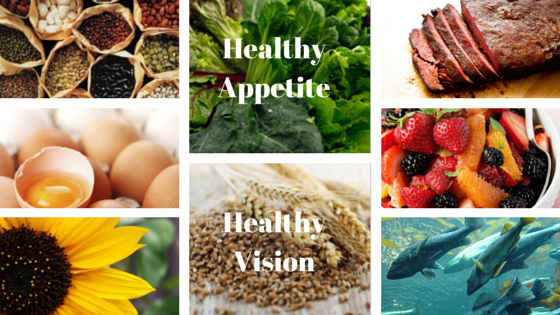
So, we thought we’d give you a hand by providing you a quick “check list” of foods that are powerful health agents and high in antioxidants. This way the next time you’re out to grab a bite to eat or you’re at the grocery store shopping for your weekly meal plans, you’ll have a head start on what to include on your food list.


Fish
Cold-water fish such as salmon, tuna, sardines and mackerel are rich in omega-3 fatty acids, which may help protect against dry eyes, macular degeneration and even cataracts. If you don’t eat seafood, you can get a good supply of omega-3s by using fish oil supplements or taking vegetarian supplements that contain black currant seed oil or flaxseed oil.

Leafy Greens
Spinach, kale and collard greens, to name just a few, are packed full of lutein and zeaxanthin, important plant pigments that can help stem the development of macular degeneration and cataracts. Broccoli, peas and avocados are also good sources of this powerful antioxidant duo.

Eggs
The vitamins and nutrients in eggs, including lutein and vitamin A (which may protect against night blindness and dry eyes), promote eye health and function.

Whole Grains
A diet containing foods with a low glycemic index (GI) can help reduce your risk for age-related macular degeneration. Swap refined carbohydrates for quinoa, brown rice, whole oats and whole-wheat breads and pasta. The vitamin E, zinc and niacin found in whole grains also help promote overall eye health.

Citrus Fruits and Berries
Oranges, grapefruits, lemons and berries are high in vitamin C, which may reduce the risk of cataracts and macular degeneration.

Nuts
Pistachios, walnuts, almonds — whichever type tickles your fancy — are rich in omega-3 fatty acids and vitamin E that boost your eye health.

Legumes
Kidney beans, black-eyed peas and lentils are good sources of bioflavonoids and zinc — and can help protect the retina and lower the risk for developing macular degeneration and cataracts.

Fish Oil, Flaxseed Oil and Black Currant Seed Oil
These super supplements contain omega-3 fatty acids and have many eye health benefits, including helping to prevent or control dry eye syndrome as well as reduce the risk of macular degeneration and cataracts.

Sunflower Seeds
Help keep your eyes healthy and disease-free by snacking on sunflowers seeds, which are excellent sources of vitamin E and zinc.

Beef
In moderation, lean beef in your diet can boost your eye health. Beef contains zinc, which helps your body absorb vitamin and may play a role in reducing risk of advanced age-related macular degeneration.

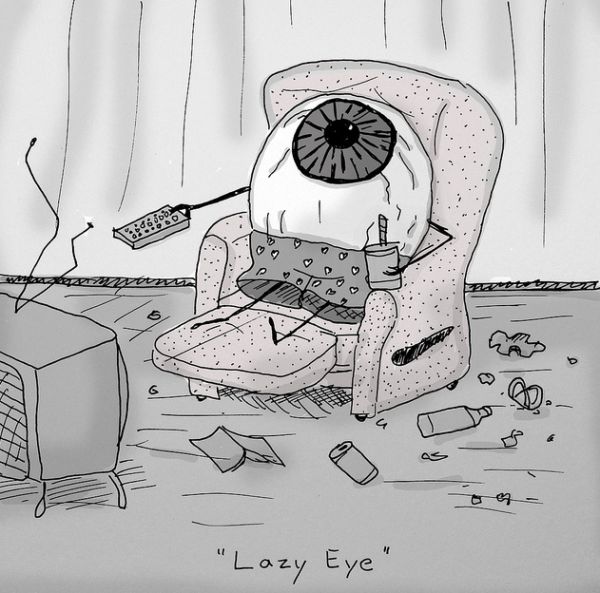
To Be Or Not To Be Lazy…

The truth about that “lazy eye.”

There is so much conversation that happens around the topic of “lazy eye,” also known as amblyopia, we thought we should take a little time to clarify some points and highlight a few others. Despite popular belief, for starters, ‘lazy eye’ can happen in both eyes and not just one. In truth of the matter is the term lazy eye is inaccurate as the condition is caused by a development problem in the brain and not the eye.

7cdefbb9a6faf7e38f197ad0e3348c38The truth is amblyopia is a brain thing and not a ‘lazy eye’ issue at all.  For instance, if one eye hasn’t had the opportunity to develop fully or as well as its counterpart, the brain will ultimately work harder [over compensation] to use the ‘good eye’ over the ‘lazy eye.’  When detected in early childhood, often times wearing a patch solves the problem straight away. However, it is not the only means of treating ‘lazy eye.’  Consulting with your eye doctor is always the best route to take when you have questions or notice early signs of this condition in your child.

Nevertheless, it’s always good to have a little information in your back pocket when you begin researching and delving into this process of uncovering “the truth about lazy eye” and all the ways it may or may not affect your child’s life.  We thought we’d help by give you a little head start.

A few things to keep in mind when discussing ‘lazy eye’:

  • it is a condition that develops from an early childhood when one eye does not develop properly
  • ‘lazy eye’ can actually happen in both eyes though one will be weaker than the other
  • wearing an eye patch alone is not the only form of rehabilitating the eye
  • blurred vision, double vision and lack of eye coordination are signs of ‘lazy eye’
  • a combined effort of vision therapy and wearing a patch is an optimal form of treatment
  • amblyopia and strabismus [crossed eyed] are not the same thing
  • it is not true that once a child reaches adulthood ‘lazy eye’ is untreatable

Remember, making sure your child’s annual eye exam is a regular occurrence is one way to keep an eye out for an early warning signs. As with most things in life, knowledge is power and empowering your child’s precious sense of sight is priority!  At least that’s what we think here at Envision.

50 Shades Of Great!

They say the eyes are the windows of the soul and to a large degree [if not completely true depending on your school of thought]; it can said most agree with this point of view. Much truth about our overall health can be detecting with a simple eye exam. From one simple routine check-up, your eye doctor can tell how your blood pressure is doing, your mental health [early detection of brain aneurysm], your risk level for diabetes, whether or not you have a vitamin deficiency, if you have melanoma and the list goes on!

Clearly your relationship with your eye doctor should be one at the top of the list among many. Not to put all the pressure nor responsibility of your health on your eye doctor, we wanted to share with you our ’50 Shades Of Great’ ideas to help you in your self care for the remainder of the year. Not only are these tips simple, but they’ll go a long way in strengthening your precious sense of sight!

So far this is what we’ve come up with [feel free to add to it]:

  1. Sip some hot tea first thing in the morning.
  2. Implement some form of exercise into your life.
  3. Put more herbal in your meals [as in herbal liquids.]
  4. Before you grab that pain killer, rub your temples first.
  5. Eat more ginger.
  6. Grab a little sniff of rosemary [Yup, you read correct! Sniff away.]
  7. Embrace more bitters, decrease the sugar intake.
  8. Go fish! No, not the game, eat the actual fish.
  9. Pop-A-Pro! — as in a Probiotic. Get more ‘good bacteria’ into your system.
  10. Give yourself the benefit of Bilberry – a cousin to the blueberry helps with night vision.
  11. Eat more bananas.
  12. Lavish yourself with some lavender! Put it in your bath or your tea.
  13. Put a cap on the joint pain with some capsaicin
  14. Book yourself a massage. Relax. Release. Let Go.
  15. Eat some garlic. Yes, garlic it’s an antibacterial agent.
  16. Use tea tree oil for fungus.
  17. Try drinking Tulsi as a tea.
  18. Eat more avocados.
  19. Stock some Echinacea in your cupboard.
  20. Invest in a Neti Teapot [you’ll need it to brew your herbal teas.]
  21. Keep things regular with a little Triphala.
  22. Stay open to life. Talk to people.
  23. Spend time/walk your pet; if no pet borrow one.
  24. Grab a little GLA for hair loss [Google it.]
  25. Go natural…avoid products that compromise your health.
  26. Eating more Japanese food. Wasabi and Shitake mushrooms are good for you!
  27. Use a little Black Cohosh for menopause.
  28. Drink lots of water DAILY.
  29. Be mindful of your carb intake.
  30. Try using products that contain Calendula a natural antiseptic.
  31. Keep things hot! Throw a little cayenne pepper into the mix.
  32. Keep things sweet. A little licorice [powder form] goes a long way for canker sores.
  33. Load up on lots of love. Connect with your family and friends often.
  34. Drink more cranberry juice.
  35. Grab a bottle of alcohol and take a swab –under your feet that is! Keep bacteria at bay.
  36. Put a little pep in your step. Drink more peppermint tea.
  37. Increase your daily intake of vitamin D.
  38. Purchase or invest in a tongue scraper. Keeps bacteria from building in the mouth.
  39. Form a friendship with friendly fungi. It helps strengthen your lungs.
  40. Duct tape it! — your warts that is. [Don’t ask old family recipe.]
  41. Wash after yourself. Keep hands clean to prevent spread of germs.
  42. Put a little tincture in it. For truly upset stomach issues, this blackberry root will help.
  43. Grab a fistful of fennel and chew it. Yup, and swallow.
  44. Eat more honey.
  45. And, eat more broccoli.
  46. Strengthen those bones with an increase in calcium.
  47. Soothe your sore throat with some slippery elm.
  48. Be sure to laugh a little each day. No scratch that – laugh a lot every day.
  49. Do one thing each week to take you out of your comfort zone; keep things exciting.
  50. Each year check off one thing from your bucket list; keeps things moving.

The End!

Remember, though some of these tips may seem simple they’re also a means of empowering your overall quality of life. In the end, you can always wait until your next eye appointment where the eyes will have it and alert your doctor if anything is not as it should be.  Carry on…

The Truth About CVS!

For starters, we won’t blame you if you thought for a nanosecond this might be about CVS the drugstore; oh not at all! The truth is not many people know what CVS means or what the acronym stands for when it comes to eye health. Since, according to the Vision Council, over two thirds of us actually suffer from this [CVS], we thought it would be a good idea to help you get clear on exactly what that means for you and your quality of life.

Is CVS stealing your precious sense ofCVS, better known as Computer Vision Syndrome, has become one of America’s leading causes for blurry visions, headaches, dry eye syndrome, backaches and even neck aches. Since hurtling into our “Age of Technology” in the last few decades, we’re spending more than half of our time viewing smaller screens at less than two feet of distance. Between our smart phones, iPhones, tablets, and computers it’s a wonder we’ve not completely lost sight of the forest from the trees!


Have you ever wondered why after working on your computer for several hours per work day your eyes begin to water? Experiencing increased fidgety feelings that cause you to take a walk around the office or move around in your chair constantly? Or, do you find yourself taking off and putting on your eyeglasses throughout the day; compensating for clarity and focus in your vision?

If you answered yes to any of these questions, then chances are you are experiencing CVS.   Part of enhancing and protecting your quality of life is keeping abreast of conditions that compromise it to begin with. For instance, be aware your prescription glasses are made specifically for either extremely near distance or very far distance –not in-between.  If you have reading glasses, they are for very close proximity; a distance much less than two feet.  The strain on your eyes, when viewing smaller screens to then switch over to viewing distance, increases tremendously when you don’t have the proper eye wear to assist you with your changing points of view — literally.

Not to mention, the strain on your vision when you pupils have spent several hours dilating back and  forth is just plain exhausting mentally and physically.  Also, the strain on your body from sitting for several hours per day, readjusting your posture, and hunching over to compensate for your blurry vision becomes even more challenging as you try to keep up with the demands of your day.  In the end, what might appear as few or minor inconveniences can surmount into a greater concern down the road.  Of course, having your ophthalmologist or your Ophthalmologists exam in your eyes moderately throughout the year is always your best course of action.

You may find that obtaining an additional pair of eyewear is just the investment you need and not the extra unnecessary expense many believe.  So, the next time you’re in the eye doctors office and the Medical Assistant or Optician on hand asks you those “pesky list of questions” pertaining to your lifestyle, understand that’s just their way of getting a clear view of all the factors that might be robbing you of your precious sense of sight.  Remember, it’s not just about 20/20 vision but it’s also about 100% quality of life.

Frown Less, Smile More


Smiling is the simplest and most wonderful thing that human beings can do. That beam comes from deep within, usually as a sign of joy, cheering others and even when you don’t feel like doing so, you smile anyway. We grin when we see a baby laugh, smirk when a friend does something silly or express grand delight with that big promotion at work. Smiling is a natural stimuli of the body to something that gives us a feeling of happiness. It has many benefits and it is scientifically proven that people who smile live a longer, healthier and emotionally stable life.

Let’s talk about some fun facts in regards to smiling. Studies have revealed that when we smile, our bodies release endorphins, serotonin and natural painkillers. Did you know that smiling can enhance your immune system? So for all the people who often fall ill, try smiling – maybe this can be your pill for the day. The free act of smiling also reduces blood pressure to a great extent.

Feeling upset? Smile, because it won’t cost you a tear but will definitely change your mood. Smiling can increase your blood flow and your heart beat, which in turn makes you happier. Some suggest chocolates for that occasional high, but a British study says that a single smile has the same impact of having a chocolate bar. Try it! It works and it’s free!

Smiling also makes us attractive. We are naturally drawn to people who smile. When you smile your whole face lights up, in fact your whole being does. You can convey warmth, friendliness and empathy through that smile. When you smile, you are unknowingly passing along your happiness. It change the moods of others, make things happier and that is extremely contagious! Smile often and you will see that you will draw more people towards you.

Smiling can change the way you live and the way you perceive life. It changes your brain activity and helps increase positive energy within you. A smile is a striking factor that will make everyday a happier one and may even enlighten others as well. It enhances and builds relationships. Smile at a stranger, smile at everyone it won’t cost nor harm you!

by Allie Rojas

We’ve got your covered! Let’s talk insurance…

At Envision Eyecare, we see a variety of patients with a plethora of both vision (refractive) and medical concerns. As an optometry practice, we provide our patients with the tools to improve their sight, such as prescriptions for glasses and contact lenses, as well as monitor and treat eye conditions and diseases. Based on each patient’s individual needs and medical concerns, we bill insurance companies accordingly based on the primary diagnosis code from the patient’s visit.  But the question most of our patients have is, what’s the difference between the two? When does an examination become medical as opposed to refractive? Why are they different?

There are two types of coverage that may help pay for your eye care services and products.

  1. Vision Care Plans (Such as VSP, EyeMed, Superior Vision, Community Eye Care & Opticare)
  2. Medical insurance (Such as Blue Cross/Blue Shield, United Healthcare, Medicare)

Vision Care plans only provide benefits towards routine vision exams along with eye glasses and contact lenses. Most patients we see have vision concerns. We hear complaints such as “I am having trouble reading road signs while driving” or “I can no longer read menus when I’m out at a restaurant”. These are refractive concerns that can most commonly be corrected with prescription glasses or contact lenses. These are typically billed to a vision plan with a refractive diagnosis code, such as Myopia (nearsightedness) or Hyperopia (farsightedness). Vision plans do not cover for the diagnosis, management or treatment of eye diseases.

Vision plan benefits may fall short of providing all services necessary to evaluate best eye health and sight correction. We treat and monitor our patients for glaucoma, macular degeneration, cataracts, diabetic retinopathy, and other eye conditions. We also hear things like “My eye has been really irritated, and it feels like there’s something in it”, or “I have a bump on my lower eyelid that is red and sore”. When medical conditions are diagnosed and are being monitored in our office, it is often more appropriate to bill our patient’s medical insurance as opposed to their vision plan. This does not mean that these patients do not need vision correction, or have no vision concerns; it means that the medical diagnosis is the primary diagnosis from their visit.

If a patient has both types of insurance plans, it may be necessary for us to bill some services to one plan and other services to the other. While we can never guarantee what services will be paid, we work with insurance companies to coordinate benefits to reduce our patient’s out-of-pocket expense.

These statements about refractive exams versus medical exams are never black and white, and every patient is unique. No matter what the case may be, the eye health of each individual patient is, and always will be, the first priority.

By Lauren Otis