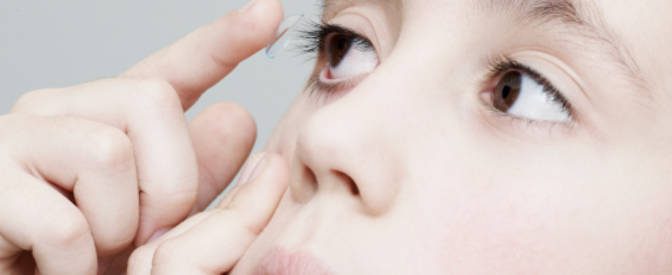

Headed Back to School

Four Reasons Why Your Child Should Have an Eye Exam

A vision screening at school, church or even a pediatrician is not a substitute for a comprehensive eye exam. Serious eye health and vision concerns can be missed at a screening, certain states are mandating children have a comprehensive exam before entering school. The doctors at Envision Eyecare advise yearly eye health exams for children for the following important reasons:

  1. 80% of learning occurs through the visual system, and in order for your child to reach his/her full potential in school, it is critical that eye tracking, acuity, and focusing are functioning properly. 
  2. Most ultraviolet radiation damage to the eyes occurs in the first 2 decades of life, so it’s important your child’s eyes are protected with the sunglasses that protect against Ultraviolet and Blue light filters.
  3. Long term exposure to blue light emitted from the sun and digital devices is harmful to the eye. This may also affect sleep patterns and cause eyestrain.
  4. Vision screenings only test eye sight, not eye health, and it’s important your child’s eye health is evaluated as well.  
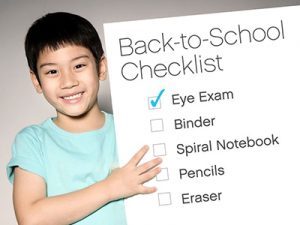
Unfortunately, studies show that only 31% of children, ages 6-16 have an annual eye exam, and 70% of children under the age of 6 have never had an eye exam.

As a result, 1 in 4 children will go back to school this year with an undiagnosed vision problem that could interfere with learning.

The following is a true story about a pediatric patient who would have passed a vision screening: Dr. Bryant examined a child with no complaints and 20/20 vision. The child had swollen optic nerves indicating a potential brain tumor. Fortunately, the child was quickly diagnosed and underwent urgent surgical intervention to save his life. This is an extreme example, and rare, however it illustrates why a comprehensive eye health exam is so important for all children.

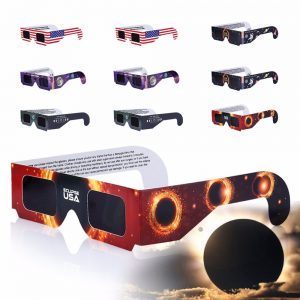
!URGENT! Recall on solar eclipse glasses!

URGENT RECALL OF SOLAR GLASSES!

We are sorry to inform you that due to new information provided by Amazon the eclipse viewing glasses we purchased may not be certified for viewing the eclipse. We were told these glasses were certified but over the weekend we were informed the certification may not be legitimate. We ask that you do not use these eclipse glasses, we can not guarantee that they will properly protect your eyes. We will gladly refund anyone who purchased these glasses through us. Below is the information provided by amazon:

“To protect your eyes when viewing the sun or an eclipse, NASA and the American Astronomical Society (AAS) advise you to use solar eclipse glasses or other solar filters from recommended manufacturers.  Viewing the sun or an eclipse using any other glasses or filters could result in loss of vision or permanent blindness.  

Amazon has not received confirmation from the supplier of your order that they sourced the item from a recommended manufacturer.  We recommend that you DO NOT use this product to view the sun or the eclipse.”

Our office is so sorry for this inconvenience. Located below is a list given to us from the American Astronomical Society as recommendations on where to get your approved eclipse glasses. Please enjoy the eclipse safely!

  Solar Viewer Brands

Innovations in Contact Lens Technology

Innovations in Contact Lens Technology


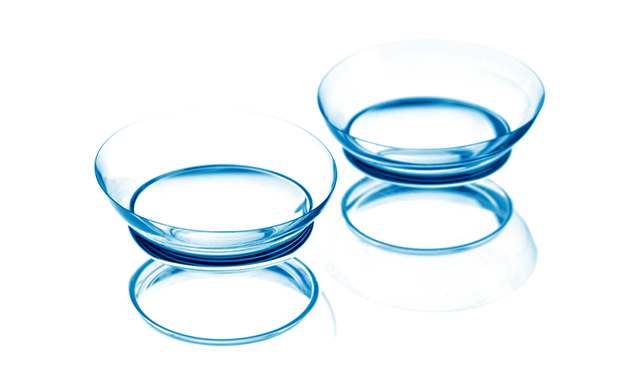
Contact lenses are medical devices that can improve vision, add convenience to activities, and bandage an injury to improve comfort and aid healing.  It is very important to have a contact lens evaluation to make sure your eyes are healthy enough to wear them comfortably without damaging the ocular surface, and to ensure the contact fits your eye properly.  There have been many advances in contact lens technology over the last decade to enhance comfort, breathability and vision demands.  We will discuss the different types and modalities of contact lens, wear time schedules, and the benefits of utilizing new technology to expand the demographic of eligible contact lens candidates.

The majority of contact lens wearers are in soft contact lenses.  These lenses are available in daily disposable, 2 week disposable, and 1 month
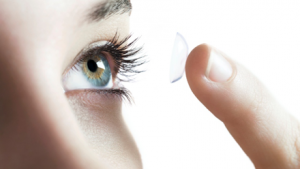
disposable wear schedule regimens.  Daily disposables are the healthiest option with improved convenience and comfort.  The cost difference is negligible when the consideration of solution cost is no longer needed with daily disposables.  Also, the packaging is recyclable, except the foil.

When the eye is not completely round and has an oval curvature, it is termed astigmatism.  In order to correct astigmatism with contacts, we must use a toric contact that is larger in diameter and must be orientated properly to provide adequate vision.  Different designs of toric lenses are available for different shapes of the eye to provide the best vision and comfort.   

Hard contacts are usually indicated for irregular corneal shapes and can be initially uncomfortable.  For those who find hard lenses unbearable, a blended(soft and hard) contact or scleral contact lens can be a valuable alternative to treat corneal diseases that cause irregularity.  

As we age, the ability to see up close slowly diminishes and a different modality of contact lenses are necessary.  Three main choices are multifocals, monovision and distance vision only with readers over the contacts as needed for near vision tasks.  Multifocals are the best option to try first because it provides seamless vision from distance to near, but is pupil size dependent so these do not work perfectly for everyone.  Monovision is when we fit the dominant eye for distance and the non-dominant eye for reading.  This seems like it would create imbalance or eye strain, but works very well for the majority of people who are not comfortable with multifocals.  These two modalities can be modified and used in combination dependent on patient visual demand.  If neither of these options is adequate, correcting the distance vision with the use of readers
over the contacts is a last resort.

Ortho-keratology is the science of using hard contacts during sleeping hours to gently change the curvature of the eye overnight, so no correction is needed during the day.  The initial comfort is sometimes an issue, but improves over time.  This has been implicated in reducing the progression of nearsightedness in the adolescence.   
Newer innovations in contacts have become exciting for other demographics as well.  A brand new lenses has been released specifically geared for the avid device user to reduce computer fatigue and enhance performance.  Also, bluetooth technology incorporated in the contact is on the horizon to monitor eye pressure and blood glucose, in order to better manage glaucoma and diabetes.

“Why are my glasses so expensive?!”

You may be asking yourself this question after seeing online and commercial advertising. Our objective at Envision Eyecare is to educate our patients on the difference in quality and craftsmanship between our glasses and those purchased online or through a commercial vendor.  It is through education that we can convey why all glasses are not created equal.  The Envision Eyecare team takes a great deal of pride in the services and products we offer as well as the information we provide to our community.  We are unique from other providers, so we hope you find this information helpful as you decide what’s important for your best sight and eye health.

First, why wouldn’t you purchase your eyewear online or from a commercial, corporate vendor if you could save on cost?  Research shows that over 50% of online eyeglasses are returned to the consumer with incorrect prescriptions and/or materials not delivered as ordered.  Plus important measurements that ensure your best vision are generated haphazardly, which can have detrimental effects on your best vision and comfort.  Most online and commercial vendors promote cheap prices which leads to a diminished sense of sight and performance. While the immediate benefit may be cost saving, you’ll often sacrificing your visual clarity, comfort, protection and, most importantly, preservation of your sight. As with other consumer purchases, the adage “you get what you pay for” certainly holds true with eyewear.

Read on to learn how our Optical Experts use their hard-earned skills and knowledge to craft the best eye wear possible for your lifestyle, fashion, fit and protection.

Top 5 things we consider when ordering your great spectacle lenses:
  1. Lens material- (plastic vs. polycarbonate)-polycarbonate is thinner/lighter and impact resistant for improved comfort, safety and aesthetics
  2. Premium anti-reflective treatments (or AR)- this treatment reduces glare and reduces fatigue with computer use; cheaper coatings typically peel or chip after a short time.
  3. Lens surfacing (Digital vs traditional)- digital surfacing enhances visual clarity by reducing peripheral distortion and improving range of vision in progressive lenses
  4. Blue light and Ultraviolet radiation filters- protect against macular degeneration, the #1 cause of blindness over 55, as well as Cataracts and eyelid skin cancer (which accounts for 8% of all skin cancers.)  Other benefits include improved sleep and reduced eye strain from devices.
  5. No-line bifocals/progressives (premium vs standard)- premium progressives provide a wider area for reading and intermediate vision with reduced peripheral distortion leading to easier adjustment and everyday use.

Top 3 things we consider when ordering your fabulous new frame:

  1. Your exact spectacle prescription- matching your Rx to a specific frame is a critical first step in making your glasses accurately.
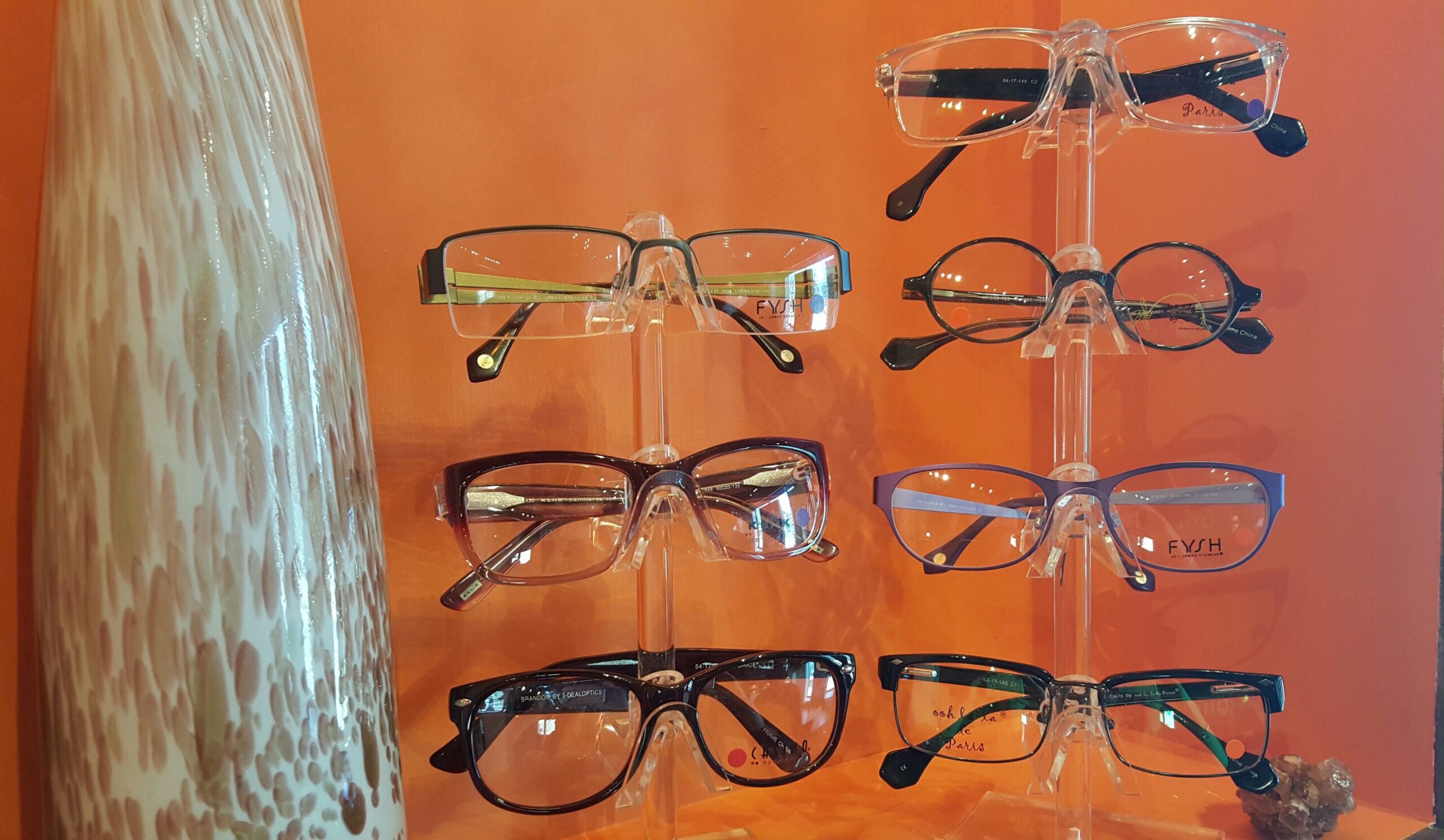
  2. Frame Material- hand-selecting frames that are made from quality metals, such as titanium or are hand-made (see STATE OPTICAL CO.) make for a more durable frame over time. Cheaper frames are made from poorer quality metals and injection mold plastics which lose their adjustment and break easily.
  3. Comfort and Fit- Your face and fashion sense means a lot to you! Cheaper frames are heavier, leading to daily discomfort, and can be more difficult to adjust and hold their shape. Our patients feel more confident and attractive, leading to a superior user experience for the life of their eyewear.

We stand behind what our Doctor’s prescribe for you and are able to guarantee the quality of your eye wear if they are made in our office. We ensure quality control for all glasses orders, checking that they were made properly and that frame adjustments are accurate for you, making sure you have the best for your eyes.

The list above is a guide to educate you on products that will enhance and protect your vision. We believe your eyes and your vision are worth it and we hope you do too!

Our optical team is committed to excellence and quality.  We are here to partner with you to find best fit eyewear for the demands of your everyday life. We offer a wide range of products for all budgets, plus we want you to SEE and be SEEN wonderfully!


Envision Eyecare BluTech Lens Interview


We love BluTech lenses because we wear BluTech lenses to protect our eyes! Here’s a video of Dr. Golson and some of our team who shared about their own BluTech experience. Why wear BluTech lenses? BluTech lenses protect against blue light. What is blue light? Blue light has a very short wavelength, therefore it produces a higher amount of energy. Blue light also flickers more easily than longer wavelengths and creates glare due to the flickering tendencies.

According to Harvard Health, blue wavelengths are beneficial during daylight hours because they boost attention, reaction times, and mood. However at night, blue light tells your body it’s not time to go to sleep. Blue light actually produces a reaction that tells your brain to turn off melatonin production. Melatonin tells your brain it’s nighttime and that it is time to sleep.

Blue light is emitted by electronics such as your phone, computer, tablets, and fluorescent and LED lights. There is scientific evidence that points to exposure to blue light being harmful not just to the quality of your sleep, but also harmful to your eyes. There is also evidence that blue light is linked to retinal damage and age-related macular degeneration.

How often do you stare at a screen throughout the day? Are you using electronics before bed? Why take the risk? Enhance, protect, and preserve your sight with BluTech lenses from Envision Eyecare! BluTech will protect your eyes from blue light.  Schedule an appointment with us to learn more about getting BluTech lenses in your next pair of glasses.


Eyeglasses Envision Eyecare

Eyewear Specials At Envision Eyecare

Now is the time to shop for eyewear at Envision! Why? We have two excellent eyewear special offers for you, that’s why! And hey, it’s a new year; why not opt for a new look? We have a great deal on eyeglasses AND sunglasses right now! It’s not too early to get a new pair of sunglasses for the springtime. Of course, we’re advocates of wearing sunglasses in the winter to protect your eyes year round. Read more about why you should wear your sunglasses in the winter.

If you want a new pair of shades just in time for spring, you can receive $50 off a pair of sunglasses with the purchase of any supply of contact lenses. We have a wide selection of stylish, quality sunglasses. Our optical experts are available not only to help you find the perfect pair of eyeglasses, but also sunglasses!

For our eyeglasses wearers, you know what they say, “Two pairs of glasses are better than one!” With our glasses special, you purchase one complete pair of glasses (both frames and lenses) and you receive a free frame* with the purchase of lenses. Why wear the same pair of glasses every day or every season? You have more than one pair of shoes, don’t you? Do you need another pair for reading, driving, or sports? Hurry, this offer is only available until March 11, 2016.

Schedule an appointment so that our Optical Experts can help you find the perfect look and take advantage of the savings!

*This offer is available for select frames only

The Play Of Life

kid6In preparation for this months’ SPORTS EYE SAFETY AWARENESS MONTH we read quite a few articles, blogs and social media newsfeed to see what the latest is in the world of Optometry and Ophthmalogy. Now, if you’ve read one, you’ve pretty much read them all when it comes to eye safety and sports.  Every parent [for the most part] understands the need to protect their child’s precious sense of sight when it comes to sports activity. But, do we understand the emotion, psychological and mental ramifications when the importance of healthy vision is overlooked.

Studies show that only four in ten kids, between the ages of 6-12 years, are actively engaged in neighborhood sports. In addition, studies also an increase in the decline of these numbers in the near future.  The lack of mobility and engagement for our children increases their risk for other health related challenges.  In America alone, obesity is the number one reason our children become high risk for cardiovascular disease, bone and joint problems, sleep apnea, and social and psychological problems such as stigmatization and poor self-esteem.  For most families this is just the beginning.

It seems farfetched and an extreme stretch to see the connection between healthy eye sight and our children’s over well-being. And yet, it [a child’s vision] is usually one of the first signs to alert us there is a deeper issue at hand; especially if your child is active in sports. Like with most things in life, one circumstance has the power to affect all areas of our lives. The same applies for our kids.

However, the signs that your child needs glasses are not always clear.  And so, to help you know what to look for, here are a few tips to help you out:

  1. Tilting their head.This can indicate an eye muscle imbalance.
  2. Covering one eye/frequent squinting one eye to see the ball either far or near.
  3. Losing their place in an attempt to catch, throw or follow the ball or apparatus.
  4. Physical complaints like headaches, watery eyes or dry eyes.
  5. Problems seeing outdoors, losing sight of the ball, the pitch, especially during quick movement.
  6. Disruptive behavior during practice/at school, such as talking while the teacher/coach is talking or distracting other students.

These are just a few tips to help you gage your child’s eye health development. Keep in mind, one or two incidents may not be cause for alarm but if you notice a consistency over time, you’ll want to schedule an eye exam just to be sure.  And remember, children don’t know the difference between impaired vision and correct vision. They rely on us to catch the signals and notice the signs. When it comes down to it, isn’t it up to us to be team players in protecting their precious sense of sight?

We thought so…game on!

4 Tips For A Cool, Fresh & Fun Spring Fever!

Finally after a long and wet winter season, Spring has arrived!  We’re just as excited as you are to leave the wintry clothing at the bottom of the closet and give the heater a rest in the car.  Who’s ready for a little spring break, a few road trips and a handful of adventure?  Hands down one of the prettiest times of the year in Asheville, here are a few friendly reminders to ensure your spring fever stays cool, fresh and fun!

springfever2015DON’T FORGET TO BE MINDFUL OF…

SRING ALLERIES. Pay extra attention to what triggers your seasonal allergies so you know what to avoid. See an eye doctor if your eyes become itchy, red, watery and swollen.  You’ll want to make certain you have your cupboards stocked of all your favorite and necessary eye relief remedies.  Placing extra bottles or container or remedies in your car is also a useful tip.

SPORTS EYEWEAR. Almost 90 percent of sports related eye injuries are preventable with protective eyewear. Normally, this is the season the kiddies are rearing to get back out a hit a homer or get those cleats in the dirt for some real spring sporty action. It’s also a good time to investigate sport eye wear for both you and the kids. You know the old adage: “Better to be safe than sorry.”

EYE SAFETY AT HOME.  Are you planning on spring cleaning, thinking of a few home-improvement projects or backyard gardening? IF so, then don’t forget to wear safety glasses or goggles to help avoid eye injuries.  If you have experience with dry eye or any other eye health discomforts that cause dis-ease, be careful of what you’re spraying around the house and be mindful of what you’re using in your gardening. Check the labels, read the ingredients and stock up on your favorite protective eye wear. There’s nothing that can spoil a beautiful day in the garden like itchy, watery eyes or an accidental poke when you’re not looking.

SUN PROTECTION.  The truth is everyone in the family should wear sunglasses while outdoors, even on cloudy days. Believe it or not, the sun’s harmful UV rays can cause cataracts, eyelid cancer and more.  Easily the number one underestimated tip for healthy eyes all around, regardless having protecting sun wear is a must.  How do you know if you’re at risk? Here is how: If you have fair skin, are greater in age, and/or have light eyes, the higher your long-term risk, especially if your work or recreation involves prolonged sunlight exposure. Light eyes are at risk certain eye diseases because they contain less of the protective pigment melanin.

So, before we’re in a rush to grab our hiking boots and get out in the warm sunshine and air, let’s first remember to give thought to how we’re protecting our precious sense of sight.  HAPPY SPRING!!

The Truth About CVS!

For starters, we won’t blame you if you thought for a nanosecond this might be about CVS the drugstore; oh not at all! The truth is not many people know what CVS means or what the acronym stands for when it comes to eye health. Since, according to the Vision Council, over two thirds of us actually suffer from this [CVS], we thought it would be a good idea to help you get clear on exactly what that means for you and your quality of life.

Is CVS stealing your precious sense ofCVS, better known as Computer Vision Syndrome, has become one of America’s leading causes for blurry visions, headaches, dry eye syndrome, backaches and even neck aches. Since hurtling into our “Age of Technology” in the last few decades, we’re spending more than half of our time viewing smaller screens at less than two feet of distance. Between our smart phones, iPhones, tablets, and computers it’s a wonder we’ve not completely lost sight of the forest from the trees!


Have you ever wondered why after working on your computer for several hours per work day your eyes begin to water? Experiencing increased fidgety feelings that cause you to take a walk around the office or move around in your chair constantly? Or, do you find yourself taking off and putting on your eyeglasses throughout the day; compensating for clarity and focus in your vision?

If you answered yes to any of these questions, then chances are you are experiencing CVS.   Part of enhancing and protecting your quality of life is keeping abreast of conditions that compromise it to begin with. For instance, be aware your prescription glasses are made specifically for either extremely near distance or very far distance –not in-between.  If you have reading glasses, they are for very close proximity; a distance much less than two feet.  The strain on your eyes, when viewing smaller screens to then switch over to viewing distance, increases tremendously when you don’t have the proper eye wear to assist you with your changing points of view — literally.

Not to mention, the strain on your vision when you pupils have spent several hours dilating back and  forth is just plain exhausting mentally and physically.  Also, the strain on your body from sitting for several hours per day, readjusting your posture, and hunching over to compensate for your blurry vision becomes even more challenging as you try to keep up with the demands of your day.  In the end, what might appear as few or minor inconveniences can surmount into a greater concern down the road.  Of course, having your ophthalmologist or your Ophthalmologists exam in your eyes moderately throughout the year is always your best course of action.

You may find that obtaining an additional pair of eyewear is just the investment you need and not the extra unnecessary expense many believe.  So, the next time you’re in the eye doctors office and the Medical Assistant or Optician on hand asks you those “pesky list of questions” pertaining to your lifestyle, understand that’s just their way of getting a clear view of all the factors that might be robbing you of your precious sense of sight.  Remember, it’s not just about 20/20 vision but it’s also about 100% quality of life.

How Do I Know if My Child is Ready to Wear Contact Lenses?…

Have you ever wondered about fitting your child in contact lenses, but are unsure if he or she  is ready, or if it is safe?  The answer might surprise you!

According to a recent study, children 8-11 years old typically have no trouble handling, inserting and removing daily disposable contact lenses, even without the help of their parents.  Learning to insert and remove the lenses may take some time and dedication from both you and your child’s eye care professional s, but with patience and good instruction this process can be faster and easier than expected!

One of the most important considerations for deciding if your child is ready to wear contacts is their overall personal hygiene and dedication to their responsibilities.  Maintaining overall eye health with contact lens use depends on regular, thorough cleaning of the lens, and proper storage and handling techniques. Responsible children with good hygiene habits tend to have little issue with this element of contact lens wear, and would be great candidates to try contacts!  If your child still struggles with these areas, waiting awhile to fit him or her with contacts may make the process easier for you and your child.

In fact, children can be great candidates for contact lens wear! Most children are more compliant than teenage or adult wearers, because that have not yet formed bad handling and wearing habits, such as over-wearing their contact lenses or using the incorrect solution. Also, children tend to suffer from dry eye syndrome less frequently than adults, so comfort is less of a problem for them.

Contact lenses can also help your child build their confidence, and can even improve their performance in physical activities. Children who are tired of wearing glasses, or have a high prescription, may feel more confident at school and while socializing with contact lens use. Also, contact lenses remain stable on a child’s eye while he or she is running or being active, which can help improve his or her sports performance. And if you are the parent who is constantly replacing your child’s glasses due to damage or loss, you can rest easy knowing contact lenses are another option for your child!

The best way to determine your child’s readiness to wear contacts is considering these facts, and weighing the pros and cons of your particular situation. Your eye care professional would be happy to discuss fitting your child in contact lenses further, and help you decide what the best choice for you and your child may be!